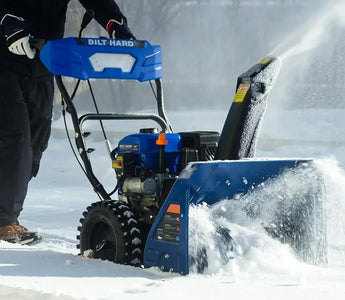
The best time to buy a snow blower is late February through March if price matters most, while September through October is usually the safer window when you want a useful discount and a good choice of models. Waiting until snow is forecast can leave you comparing whatever remains instead of choosing the right clearing width, power source, and drive system for your property. Before tracking promotions, compare the types of snow blowers that fit your typical snowfall, driveway surface, storage space, and physical comfort.
When Do Snow Blowers Usually Go on Sale?
Snow blower sales follow local weather and retailer inventory more than a fixed national calendar. Consumer Reports currently lists February, October, November, and December as strong buying months, while NAPA notes that many stores begin clearing winter equipment by mid-February. The dates overlap, but the kind of deal changes as the season progresses.
Late Winter Clearance Sales
Late February and March usually offer the clearest path to the lowest price. Retailers need room for spring equipment, so remaining snow blowers may be marked down, including display units and open-box machines.
The main tradeoff is availability. Popular clearing widths and well-equipped two-stage models may already be gone after a snowy winter. Clearance shopping works best when you can accept a second-choice color or feature package and do not need the machine immediately.
Spring and Summer Snow Blower Deals
Spring can extend the clearance period, but remaining inventory often becomes uneven. By late spring, a local store may have no snow blowers on the floor even if an online retailer still has older stock. Summer promotions can reappear as sellers prepare for the next model cycle.
A discontinued model can be a sound purchase when parts and service remain available. A discount becomes less attractive if a missing battery, freight fee, or assembly cost raises the final total.
Fall Sales Before Snow Season
September and October are strong months for shoppers who care about fit. Retailers typically have more widths, stages, and power options available before the first major storm creates urgency. Early-season coupons or manufacturer promotions may reduce the price without forcing you into leftover inventory.
Black Friday Snow Blower Deals
Black Friday can produce real snow blower discounts, especially on selected battery models, bundles, accessories, and older inventory.
Weather remains the risk. A November storm can increase demand before the sale starts. If you need a specific high-capacity model for a heavy-snow area, saving a little on Black Friday may not justify losing the right machine.

When Is the Best Time to Buy a Snow Blower?
The right month depends on whether you prioritize the lowest price, the widest selection, or a practical balance.
Best Time for the Lowest Price
Shop from late February through March and be ready to act when a suitable machine appears. A mild winter may leave more stock, while repeated storms may leave almost nothing to clear. The discount depends on what the retailer still owns.
Set your minimum requirements before shopping. Write down the clearing width, surface type, maximum storage size, power source, and features you will not give up. This protects you from buying a cheap machine that cannot handle your driveway.
Best Time for More Models to Choose From
September and early October usually provide the broadest practical selection. Stores and dealer sites are preparing for winter, yet demand may still be moderate. This is the better window when you need a particular clearing width, self-propelled drive, electric start, steering control, or battery platform.
Start by matching the machine to your actual conditions, including your driveway’s length, slope, and surface, as well as the typical depth and consistency of the snow.
Best Time for Both Price and Selection
Late August through October usually provides the best compromise. Older inventory may still be discounted while new models expand the available range. You also have time to compare specifications, arrange delivery, assemble the machine, and verify operation before the first storm.
When you want equipment ready before winter without moving to the largest residential size, the BILT HARD 24-Inch Two-Stage Gas Snow Blower offers a practical middle size. Its 212cc four-cycle engine works with a 24-inch clearing width and a maximum throwing distance of 40 feet. Six forward speeds, two reverse speeds, and self-propelled drive reduce repeated pushing on a longer driveway.
What Can Affect Snow Blower Prices?
Seasonal timing is only one part of the final cost. Local snowfall, remaining inventory, power source, delivery, included equipment, and seller policies can change the value of an advertised deal.
Local Snowfall Changes Demand
Snowfall varies sharply by location. A region with frequent snow or lake-effect events can see demand rise earlier than an area where snow is occasional.
Check climate history before choosing a buying month. Then watch the local forecast as fall approaches. A forecast does not set retail prices by itself, but a coming storm can quickly reduce the number of suitable machines available.
Your property also changes the decision. A short, level paved driveway may suit a compact single-stage or battery unit. Gravel, a slope, a long driveway, or dense plow piles can justify self-propelled two-stage equipment.
Inventory Depends on the Winter Season
A cold, snowy season can move larger machines earlier, especially in areas that routinely receive heavy accumulation. If your local conditions require a high-capacity model, buying before peak winter demand is more dependable than hoping one remains during clearance.
The BILT HARD 28-Inch Two-Stage Gas Snow Blower is built for thicker, more compacted snow. Its 302cc four-cycle engine, 28-inch clearing width, and 21-inch intake height provide more intake capacity than a smaller residential format. Serrated steel augers help break up compacted snow and ice, while the maximum 40-foot throwing distance helps place cleared snow farther from the driveway. The product also has four forward speeds, two reverse speeds, steering control, and self-propelled drive.

Gas and Battery Models Price Differently
Compare complete systems. A battery snow blower price may include the tool, one or more batteries, and a charger, while a tool-only listing assumes you already own compatible batteries.
Gas models place more of the purchase price in the engine and drive system. They also require fuel, oil, and periodic engine maintenance. Battery models avoid gasoline and engine servicing, but replacement batteries can be a significant future expense.
Performance needs still come first. Compare clearing width, tested capability, runtime, recharge plan, warranty, and total package price.
Dealer and Online Prices May Vary
Online shopping makes model and package comparison easier, and delivery can be valuable for a heavy machine. Local dealers let you check handle height, controls, balance, and turning effort before buying. They may also provide assembly, setup, and service support.
Compare the out-the-door cost rather than the headline price. Include sales tax, freight, liftgate service, assembly, accessories, batteries, and any required delivery appointment. Read the return policy for opened or fueled equipment.
Ask both sellers about warranty handling and parts. A slightly higher price can be reasonable when it includes correct assembly or nearby support. An online discount may be better when the model is exact, shipping terms are clear, and you are comfortable with setup.
FAQs
Is Buying a Used Snow Blower Worth It?
Yes, it can be, if it starts from cold, operates properly under load, and has no major auger, gearbox, or drive-system damage.
How Much Should You Spend on a Snow Blower?
Spend enough for your normal snow depth, driveway size, and surface. Consumer Reports’ current ratings span about $200 to more than $3,000, so choose capability first and compare complete package prices.
Can You Store a Snow Blower All Summer?
Yes. Keep it clean, dry, and protected from temperature extremes. Follow manufacturer storage instructions for fuel treatment or draining. Remove a cordless battery and store it in a cool, dry place.
Do New Snow Blower Models Come Out Every Year?
Sometimes. Model numbers and specifications can change even when the basic design continues. Compare the exact listing. An outgoing model can be worthwhile when warranty coverage and replacement parts remain available.
Conclusion
Late February through March is usually the best time to buy a snow blower at the lowest price, but the remaining selection may be narrow. September and October are better when choosing the correct model matters more than reaching the deepest markdown.
Decide which tradeoff fits your situation, then confirm local snowfall, driveway demands, full package cost, warranty, delivery, and storage. Buying before an urgent storm gives you time to choose carefully and verify that the machine is ready when snow arrives.