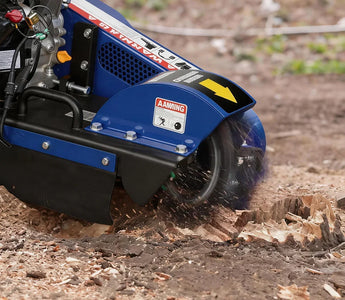
A stump grinder’s cost depends mainly on the machine type. Walk-behind stump grinders typically cost $1,500 to $3,000; self-propelled models often start at $2,500 and increase with power and features; tracked stump grinders can cost $20,000 or more. Choosing the right price range depends on how many stumps you need to remove, the terrain you need to access, and whether the machine will be used occasionally or regularly. Rental can make more sense for one short project, while ownership becomes easier to justify when several stumps need to be removed over time.
How Much Does a Stump Grinder Cost?
Current retail data shows a wide gap between compact machines and equipment with powered mobility or heavy cutting systems.
Walk-Behind Stump Grinder Cost
Walk-behind stump grinders usually sit near the lower end of the purchase market. Current retail listings show many compact and mid-size machines priced around $1,700 to $2,200.
The lower purchase price comes from a simpler drive layout. The operator moves and positions the machine rather than relying on a powered travel system.
This type can suit homeowners who expect to clear several stumps and have enough space to store the equipment between projects. BILT HARD 212cc 7HP Gas Stump Grinder uses a 212cc 7HP gas engine with a 10-inch cutting wheel and is currently priced at $1,399.99. The smaller engine helps keep the purchase cost lower while still providing independent gas power, making it a more practical option for occasional residential stump removal.
Self-Propelled Stump Grinder Cost
Self-propelled stump grinders generally start above comparable manual machines because the drive system moves the unit without requiring the operator to push its full weight.
Current retail examples place this type around $2,600 at the lower end, with larger self-propelled equipment moving higher as engine output and drive complexity increase.
Tracked Stump Grinder Cost
Tracked stump grinders sit well above most homeowner machines. Current equipment listings show new tracked machines beginning around the high $20,000 range, while much larger configurations can pass $100,000.
The price reflects much more than cutting power. A tracked machine needs an undercarriage, powered travel system, and additional controls that a basic wheeled grinder does not require. This category rarely makes financial sense for occasional residential use. Its cost becomes relevant mainly when difficult ground makes normal wheels unsuitable.
What Factors Affect the Price of a Stump Grinder?
A large part of the stump grinder price comes from the components installed on the machine. Looking at replacement-part prices helps show why two grinders with similar dimensions can have very different purchase prices.
These figures are retail references for replacement components. They are not the amount each part adds directly to a manufacturer's production cost.
|
Component |
Current Retail Reference |
Price Impact |
|
Small 200 to 224cc engine |
About $150 to $300 |
Keeps compact machines less expensive |
|
389 to 420cc engine |
About $330 to $500+ |
Raises power-system cost |
|
Individual carbide cutting tooth |
About $8 to $19 |
Cost increases with tooth count |
|
Replacement cutting wheel |
About $250 to $480 for smaller systems |
Adds to cutting-system value |
|
Large cutting-wheel system |
$2,000+ in some applications |
Major cost on heavy equipment |
|
Replacement rubber track |
About $300 to $1,400+ each |
Raises tracked-machine cost |

Engine Power and Machine Size
The engine can account for several hundred dollars of component value. A basic 212cc horizontal-shaft replacement engine can be found around the $160 to $200 level. Larger 420cc engines sell around $330 to $380, while a commercial-duty 389cc horizontal-shaft engine can reach about $500.
That difference becomes more important when moving from a small residential machine to equipment expected to grind larger stumps repeatedly. More engine output can also require stronger belts, bearings, and frame components. The engine price therefore explains only part of the increase in total machine cost.
Cutting Capacity and Grinding Depth
The cutting system contains the wheel, teeth, holders, bearings, and related hardware. These parts can create a large price difference even when two machines use similar-size engines.
Individual carbide stump grinder teeth currently sell for roughly $8 to $19 in specialist parts listings. A complete replacement wheel for a smaller machine can cost roughly $250 to $480, while large cutting-wheel systems may cost several thousand dollars.
Mobility and Terrain Capability
Wheels are relatively simple components. A tracked travel system requires far more hardware. A machine normally requires two tracks. The complete travel system also needs drive components and controls.
Replacement rubber tracks for stump grinding equipment currently range from about $300 for smaller applications to more than $1,400 for larger heavy-duty versions. This is why changing from a manual wheeled layout to tracked mobility can increase the machine price by thousands of dollars.
What Are the Ongoing Costs of Owning a Stump Grinder?
The purchase price is only part of the total cost of a stump grinder. Long-term ownership also includes routine maintenance, replacement parts, fuel consumption, and other operating expenses. Understanding these ongoing costs can help you compare whether buying a machine makes sense for occasional projects or regular stump removal work.
Maintenance and Repair Costs
Stump grinders contain wear parts, so maintenance costs depend heavily on how often the machine cuts and what the teeth contact. Carbide teeth gradually wear and may need rotation or replacement.
Belts, bearings, engine filters, and spark plugs also require inspection according to the machine's maintenance schedule.
Repair costs become less predictable when damage reaches the engine or cutting assembly, so parts availability should be checked before purchasing an older machine. Common engine trouble shootings include carburetor fuel flow, ignition checks, and several basic engine problems.
Fuel and Operating Costs
Gasoline is a smaller expense than the machine itself, but regular use makes it part of the ownership budget. The U.S. Energy Information Administration reported a national average of $4.006 per gallon for regular gasoline on August 10, 2026. Regional prices differed substantially, so actual operating cost depends on location.
Engine load and run time determine how much fuel is used. A homeowner running a grinder for a few hours each season will spend much less than someone clearing multiple stumps regularly.
The most accurate estimate comes from the fuel-consumption information in the machine manual combined with local gasoline prices.

How Much Does It Cost to Rent a Stump Grinder?
Renting can reduce the upfront cost when a stump grinder is only needed for one project. Rental prices depend heavily on machine size and rental length. Small units may cost under $100 for a short period, while full-size machines may cost several hundred dollars per day.
Daily and Weekly Rental Rates
2026 national rental data provides the following estimates.
|
Rental Period |
Average Cost |
|
Hour |
About $60 to $90 |
|
Half Day |
About $110 to $220 |
|
Day |
About $200 to $400 |
|
Week |
About $840 to $930 |
Note: These ranges are based on published rental cost guides and provider listings. Actual prices vary by location, machine size, rental company, and availability.
Rental Deposits and Damage Fees
Some rental locations require a refundable deposit before releasing the machine. The amount varies by company, equipment value, and rental location, but deposits of around $100 to $300 are sometimes required. The money is generally returned when the equipment is brought back according to the rental agreement.
Damage protection may be charged separately. Coverage differs between rental providers, so check what counts as accidental damage before accepting the extra fee. Damage caused by misuse may remain the renter's responsibility even when protection has been purchased.
Transportation and Trailer Costs
A larger stump grinder may require a trailer because its dimensions or weight make normal vehicle transport impractical. Current rental cost data estimates an additional $50 to $60 or more when a trailer is required. Delivery and pickup can be alternatives when available, although these services may have separate charges.
FAQs
Why Are Commercial Stump Grinders More Expensive?
They contain more high-cost hardware. Larger cutting assemblies, stronger frames, powered controls, and serviceable components increase the cost of building equipment intended for repeated heavy use.
How Much Does a Used Stump Grinder Cost?
Used prices vary widely. Current professional-equipment listings include machines below $10,000 as well as units above $25,000. Hours, age, service records, and cutting-system condition have a major effect on value.
How Much Should You Budget for Stump Grinder Maintenance Each Year?
There is no reliable fixed annual amount. Maintenance depends on operating hours and wear. Follow the manufacturer's service intervals and budget separately for engine service and cutting parts.
How Much Does a Full Set of Stump Grinder Teeth Cost?
Small replacement sets can start around $65 to $135. Larger professional tooth systems can cost several hundred dollars depending on the number and type of carbide teeth required.
Which Stump Grinder Parts Are the Most Expensive to Replace?
Major cutting and drive components are usually the most costly repairs. Complete cutting-wheel systems can exceed $2,000 on large equipment, while heavy replacement tracks may cost more than $1,000 each.
Conclusion
For most buyers, how much does a stump grinder cost comes down to the type of machine required and how frequently it will be used. Many homeowner-oriented machines remain below $3,000, while powered mobility and heavy cutting hardware move the price considerably higher.
Compare the purchase price with the parts that drive ownership cost. Engine size, cutting hardware, mobility system, maintenance requirements, and transportation determine how much the machine will ultimately cost to own.
For a short cleanup project, rental avoids a large purchase and long-term storage. Buying becomes more practical when several stumps need attention over time.