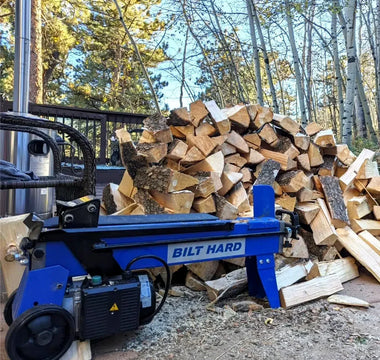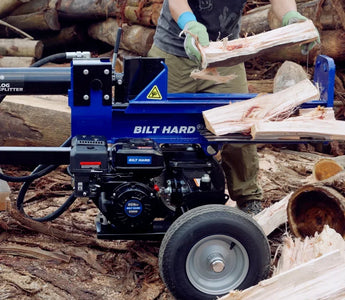
To use a log splitter safely, place the machine on stable ground, position each log correctly, and keep your hands outside the splitting area before moving the controls. For people, the basic process is easy to learn, but the details matter most. Controls differ between machines. Read the owner’s manual for your exact model before the first use, especially the startup procedure, approved operator position, maximum log size, and shutdown steps. If its instructions differ from general guidance in this article, the model-specific manual takes precedence.
Know Your Log Splitter Before You Start
The way you use a splitter depends mainly on its power source and working position. Gas and electric machines have different setup needs, while horizontal and vertical operation changes how you load the wood.
Gas vs. Electric Log Splitters
A gas log splitter can work away from an electrical outlet, which is useful when firewood is stored farther from the house. Gas engines also require fuel, engine maintenance, and proper ventilation.
Gasoline-powered splitters must be operated outdoors. The U.S. Consumer Product Safety Commission warns that carbon monoxide from gasoline engines can build up in garages and other enclosed areas even when doors or windows are open.
Electric models are simpler for lighter work near a suitable power source. They do not produce gasoline engine exhaust and have fewer engine-related maintenance tasks.
Horizontal vs. Vertical Log Splitters
Horizontal mode works well when the rounds are light enough to lift onto the beam without straining. Vertical operation lets heavier wood stay close to ground level; you can usually roll or move it into position.
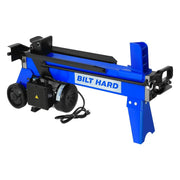
If you split both smaller logs that are easy to lift and heavier rounds, a horizontal and vertical machine gives you more flexibility. The BILT HARD 27-Ton Gas Log Splitter supports both working positions, reducing the need to repeatedly lift a full log onto the beam.

What to Check Before Using a Log Splitter
A quick inspection before each session can reveal problems that are much easier to fix while the machine is off. Look at the working area first, then check the parts you will rely on during every splitting cycle.
Wear the Right Safety Gear
Basic log splitter safety precautions include keeping the work area clear and avoiding loose clothing around moving equipment.
Wear safety glasses or goggles while splitting wood. Bark, chips, or small wood fragments can move quickly when a round opens under pressure. Hearing protection may also be appropriate around a gas-powered machine.
Sturdy work boots provide useful protection while you carry and reposition heavy firewood. Clothing should fit closely enough that sleeves or loose fabric cannot catch around moving parts.
Gloves help protect your hands from splinters while carrying logs. They do not make it safe to touch wood near an active wedge or ram.
Choose a Clear, Stable Work Area
Set the machine on firm, level ground before starting it. If the model uses wheel chocks, stabilizers, or another method to prevent movement, secure them before loading the first log.
Keep finished wood away from the operator area. Pieces piled beside your feet can make it harder to step back or reposition another round safely. Only the person operating the machine should remain close to the splitting zone. Keep children and pets away while the splitter is running.
Adequate lighting also matters. You should be able to see how the log sits against the beam and whether anything is blocking the wedge path.
Check the Wedge, Hoses, and Controls
Look over the hydraulic hoses and fittings for visible damage or leaking fluid. Check the wedge path for bark, wood pieces, or other debris. Do not use your fingers to search for a hydraulic leak. High-pressure hydraulic fluid can penetrate skin and cause serious injury.
If the lever sticks, a hose leaks, or the ram moves unexpectedly, stop using the machine until the problem is corrected.
How to Use a Log Splitter in 5 Steps
Once the setup is complete, the operating sequence stays fairly simple. Work with one piece of wood at a time and finish the current cycle before loading another.
Step 1: Start and Set Horizontal or Vertical Mode
Choose horizontal or vertical operation before putting wood into the splitting area. Secure the beam in that position using the lock or pin provided by the manufacturer.
Start a gas model according to its engine instructions. The exact sequence may involve a fuel valve, engine switch, or choke depending on the engine. For an electric unit, use only the electrical supply specified for the machine. Keep plugs and electrical connections away from wet conditions.
After startup, operate the splitter from the designated operator position. Do not reach across the beam to use the control from the opposite side.
Step 2: Place the Log Along the Grain
Before loading wood, wait until the ram, wedge, and all moving parts have completely stopped. Load only one log at a time, and keep every other piece of wood outside the splitting area.
Use a log splitter only with wood that stays within the length, diameter, weight, and capacity limits specified for that particular machine.
Place the log securely against the end plate or support area and align it for a lengthwise split along the grain. While positioning it, keep your hands away from both ends of the log, existing cracks or splits, the wedge, the ram, and the end plate. These are pinch and crush areas where wood can shift unexpectedly.
Never use your foot to steady a log. Once the wood is positioned, remove your hands completely before operating the control.
Step 3: Run the Splitter and Keep Hands Clear
Move your hands away from the log before activating the control. Keep fingers clear of the wedge, ram, end plate, and openings that form as the wood starts to split. A crack can close or shift suddenly as hydraulic pressure changes.
Do not hold the log while the wedge is moving. If your machine uses a two-hand control system, operate it exactly as designed.
Watch the round during the split. Stop the cycle if it rolls out of position, tilts sharply, or begins moving in an unexpected direction. If the wood stays stable, let the machine complete the cut according to the normal operating procedure.

Step 4: Retract the Wedge After the Split
Return or retract the ram and wedge using the exact control procedure specified in your model’s owner’s manual. Control layouts and return procedures vary between log splitters, so do not assume that another machine operates the same way.
Keep your hands away from the wood, wedge, ram, and end plate while the ram is returning. Wait until the ram, wedge, and wood pieces have completely stopped moving before removing split pieces, repositioning a partial split, or loading the next log.
Step 5: Remove the Wood and Load the Next Log
Move completed firewood away from the beam before bringing in another round. Keeping the loading area open makes the next cycle easier to manage.
Large logs can turn this stage into the most physical part of the job. Repeatedly lifting heavy rounds onto a horizontal beam adds considerable work during a longer splitting session.
The BILT HARD 35-Ton Gas Log Splitter includes a hydraulic log lift rated for up to 700 lb. Its current specifications also list an 18 GPM hydraulic pump and an approximately 15-second cycle time. The lift raises heavier rounds toward the working position, reducing the amount of repeated manual lifting.
Step 6: Shut Down, Disconnect Power, and Relieve Pressure
After clearing the last piece of wood, finish the session with a proper shutdown. Wait until the ram, wedge, and other moving parts have completely stopped.
For an electric log splitter, switch it off and disconnect it from the power source. For a gas model, stop the engine according to the manufacturer’s instructions and close the fuel valve if required.
Finally, follow the owner’s manual to relieve any residual hydraulic pressure before cleaning, inspecting, or servicing the machine. Never loosen hydraulic hoses or fittings to release pressure.
What to Do After Using a Log Splitter
Some rounds will resist the first attempt. Knots, irregular grain, or a poor loading position can make the wedge slow down or leave the wood partly split.
Reposition Logs That Won’t Split
Return the wedge or ram to its normal loading position first. Turn the round and inspect the grain. An existing crack or a section with fewer knots may offer a cleaner path for the next split.
Knotty wood can require more force and may open less predictably than straight-grained wood. Large diameter also increases splitting difficulty. If the round exceeds the size or capacity allowed by the manufacturer, set it aside. Repeated cycles cannot increase the machine’s rated splitting force.
Remove a Stuck Log Safely
Stop if a piece of wood becomes firmly jammed around the wedge. Use the stuck-log procedure provided for your specific machine. Splitter designs vary, so a removal method that works on one model may be unsafe on another.
Shut the machine off before making any manual adjustment that cannot be completed with the normal controls. Wait for moving parts to stop.
Do not pull on a jammed piece while another person operates the hydraulic system. Avoid improvised tools or attachments unless the manufacturer specifically approves them.
Clean and Check the Splitter After Use
Switch the machine off before cleaning. Once moving parts have stopped, remove bark and wood debris from the beam and surrounding areas.
Check for fresh hydraulic leaks, damaged hoses, or loose components that appeared during the session. Hydraulic fluid should be checked at the interval stated in the manual. Fluid type and checking procedures can differ by model, so follow the manufacturer’s specifications rather than adding fluid based only on appearance.
Gas splitters also need routine engine maintenance. Store the machine in a dry location and repair damaged parts before the next use.
FAQs
What Should I Do If a Log Gets Stuck in the Splitter?
Stop the machine immediately. Wait until all moving parts stop, then shut down and relieve pressure as the manual directs. Follow the model-specific stuck-log procedure. Never pull jammed wood while someone else operates the controls.
Can You Use a Log Splitter in a Garage?
Do not use a gas log splitter in a garage. Carbon monoxide can build up even with doors or windows open. Use gasoline-powered models outdoors, away from doors, windows, and vents. Follow the manual for electric models.
Can Two People Operate a Log Splitter Together?
Only one person should operate the splitter. A second person should never hold or reposition wood while the ram is moving. Helpers should remain clear of the splitting zone until the machine has fully stopped.
What Should I Do If a Log Moves During the Split?
Stop the splitting cycle. Keep your hands away until the ram, wedge, and log stop completely. Reposition the wood only when the machine is in the safe loading position specified by the manual.
Conclusion
Learning how to use a log splitter safely comes down to a consistent operating routine. Set the machine securely, position each round correctly, complete the split, and clear the wood before starting another cycle.
Do not rush difficult logs. When a round sits poorly, jams, or moves unexpectedly, stop the machine and correct the setup before continuing.