Putting in a log burner is practical in many homes, but it is safe and compliant only when the stove, hearth, ventilation, and flue are designed as one system. A sound chimney may simplify the job, while a damaged chimney, undersized fireplace, or difficult flue route can turn it into a substantial building project.
What to Check Before Putting in a Log Burner
Treat the site survey as a decision point before buying the stove. Ask one qualified professional to record the findings in a consistent format. The survey should end with a suitable shortlist and a clear schedule of required work.
Can You Use Your Existing Chimney?
The chimney must be sound, clear, clean, and compatible with solid fuel and the chosen stove. Have a chimney professional sweep it, inspect the masonry and clearances, and examine the flue with a camera; changing the appliance or fuel type is a reason for a Level 2 inspection by CSIA.
Compare the report, flue size, and liner listing with the stove manual. The result should state whether the chimney can remain, needs repair and a listed liner, or must be replaced.
Is Your Fireplace Opening Big Enough?
Measure the finished width, height, and depth, then mark the stove, door swing, flue collar, and service access on a scale sketch. Add the manual's clearances to combustible walls, trim, and mantel, plus the listed floor-protection dimensions and any required thermal R-value.
The completed layout must preserve every clearance and a practical connector route. The result should be a documented envelope that the stove fits without improvised reductions.
How Much Heat Does Your Room Need?
Multiply room length, width, and height in meters, then divide the volume by 14 for a rough kilowatt estimate; for example, 70 cubic meters suggests about 5 kW.
Refine it with a heat-loss assessment covering insulation, glazing, outside walls, drafts, and connected spaces. Select the stove by its nominal output against that demand.
How Is a Log Burner Installed?
Follow a fixed sequence so the finished work does not need to be removed later. Keep the appliance and flue-system instructions on site. Stop and revise the design if exposed conditions differ from the survey.
Step 1: Prepare the Fireplace Opening
Remove the old appliance, redundant fireback, loose render, and unsuitable finishes. Sweep the chimney, repair the masonry, and fit the specified lintel before widening. Finish the chamber with suitable noncombustible materials.
Step 2: Fit the Hearth
Build the hearth on a stable, level base. Set its edges from the final stove position, provide the specified thickness, and isolate combustible flooring. Let the hearth and bedding material cure before placing the appliance.
Step 3: Install the Chimney Liner or Flue
For an existing chimney, lower the specified liner in the correct orientation and fit its approved terminals. Without a chimney, assemble an insulated twin-wall system along the designed route. Fit the required supports, fire-stops, flashings, offsets, and terminal while maintaining clearance.
Step 4: Position the Log Burner
Move the stove onto the hearth with suitable handling equipment. Level it, center the outlet under the connection, and remeasure every clearance. Keep the door and service parts accessible.
Step 5: Connect the Stove to the Flue
Fit the specified adapter to the stove collar and connect it to the liner or system chimney. Keep the pipe at the required diameter and orient each socket as instructed. Add the required register or closure plate without blocking sweeping access.
Step 6: Seal the Flue Connections
Secure each joint with the specified fixings and approved fire rope, fire cement, or high-temperature sealant. Remove excess material and keep the pipe interior clear. Let every seal cure for the stated time.
Step 7: Test and Commission the Log Burner
Inspect the installation, confirm the air supply, and recheck clearances. Complete the required smoke, spillage, and draft tests, then light the specified commissioning fire. Test the carbon monoxide alarm, demonstrate the controls, and hand over the manual, notice plate, commissioning record, and compliance certificate.
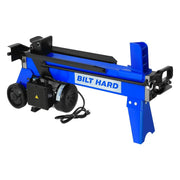
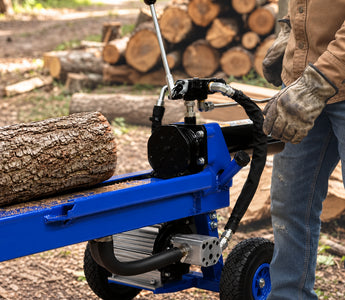
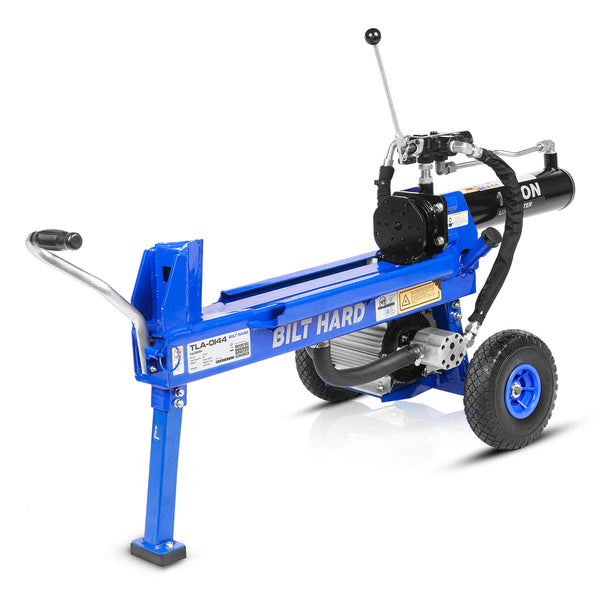
Once the stove passes testing and commissioning, the next task is preparing wood. Large rounds take considerable effort to split by hand. The BILT HARD 14-Ton Electric Log Splitter delivers 14 tons of force for logs up to 20 inches long and 16 inches in diameter. Its 11.7-second cycle and two-stage hydraulic pump suit batch firewood preparation.
What Can Make Installation More Difficult?
Unexpected conditions add labor, materials, or specialist trades to a standard fitting. Correct the defect before adapting the stove around it.
A Blocked or Damaged Chimney
Nests and deposits restrict the gas path, while cracks or fallen masonry can cause leakage. These defects prevent the installer from proving that the chimney is clear and gas-tight.
Sweep and inspect the flue, repair the masonry, and add a suitable liner; use a designed alternative route if repair is impractical.
A Fireplace That Needs Opening Up
Expose the opening and have a competent builder assess it before ordering the stove. A failed lintel makes widening structural work, while loose or damp masonry may need rebuilding. Complete and dry the repairs, then use the finished dimensions to select the appliance.
Not Enough Space Around the Stove
A stove may fit inside the recess yet remain too close to a mantel or furniture. Shifting it can reduce the hearth projection or misalign the flue. Compare a smaller model first, then use an approved heat shield or redesign the recess if the appliance instructions allow it.
An Awkward Route for the Flue
Draw the complete route in elevation and compare it with the flue-system limits. Bends, long offsets, roof openings, and nearby structures can reduce draft and add supports, fire-stopping, or weatherproofing. Simplify the route or use a calculated design, then confirm access for installation and sweeping.
What Are the Rules for Putting in a Log Burner?
In the United States, wood-stove rules come from several layers, not one nationwide installation code. Federal EPA regulations govern emissions certification for new residential wood heaters offered for sale. State, local, and Tribal authorities adopt building, fire, and air-quality rules, often using the International Residential Code and NFPA 211. The city or county authority having jurisdiction (AHJ) confirms the permit, adopted code, amendments, and inspections for the address.
Building Codes for Log Burners
The locally adopted code and product listing control the hearth, clearances, connector, chimney, air supply, penetrations, and termination. A model code becomes enforceable only after the jurisdiction adopts it, sometimes with stricter amendments.
Follow the stove's permanent label and manual. Any change to a tested configuration, connector, clearance, or outside-air kit must remain within its listings and local approval. Contact the building department before purchase; the EPA also directs homeowners there for local permit requirements.
Do You Need a Certified Installer or Permit?
No single federal installer license covers U.S. wood stoves. Some jurisdictions allow homeowner installation, while others require a permit, licensed contractor, or inspections; insurers may add conditions.
Ask the AHJ and insurer who may do the work and what must pass inspection before the first fire. For professional work, look for chimney credentials and an NFI Certified Woodburning Specialist, then verify licensing and insurance separately.
Ventilation and Carbon Monoxide Alarm Requirements
Combustion-air provisions depend on the stove listing, local code, and house. Tight construction and strong exhaust fans can depressurize the room, so test the draft with that equipment operating.
State and local rules determine required alarm locations. The CPSC recommends CO alarms on every level and outside sleeping areas; follow the alarm instructions and test monthly. Alarms are backups, not substitutes for correct venting and annual service.
EPA, State, and Local Wood-Burning Rules
New wood heaters subject to federal New Source Performance Standards and offered for U.S. sale must meet EPA emissions limits. The 2020 room-heater limits are 2.0 grams per hour with crib wood or 2.5 under the cordwood alternative; verify the model label and database.
Air agencies may impose burn bans or restrict uncertified appliances during pollution episodes. Check the state or local agency before burning, even after inspection.
EPA says wood at 20% moisture or less burns best, so verify it with a meter and allow enough firewood seasoning time for the species, split size, and storage conditions.

FAQs
Can You Put in a Log Burner Without a Chimney?
Yes. A listed factory-built chimney can run through the roof or, if approved, along an exterior wall. Use the complete matched system and follow its support, clearance, penetration, bracing, termination, and weatherproofing instructions.
How Much Does It Cost to Put in a Log Burner?
Angi's 2026 U.S. estimate is 1,500–4,000, averaging about $3,000. Stove price, chimney length, masonry repairs, roof work, permits, and local labor can move the total substantially.
What Flue Do You Need for a Log Burner?
Use the venting system specified for the listed stove: an approved connector in the room leading to a compatible masonry liner or listed factory-built solid-fuel chimney.
Do You Need a Permit for a Log Burner?
It depends on the jurisdiction, but many U.S. cities and counties require one. Ask the local building department before purchase, and notify your homeowners insurer; both may require plans, a licensed contractor, inspection, or proof of final approval.
Conclusion
Putting in a log burner starts with a survey, not a stove purchase. Confirm the heat requirement, available space, flue design, and approval route before ordering equipment, then use competent installation and keep the commissioning documents.
Once the system is signed off, choose a log splitter that matches the wood you need to process and prepare only dry, correctly sized fuel.
If some larger logs are better suited to boards than firewood, portable saw mills can turn that material into usable lumber before the remaining pieces are prepared for safe burning.