Filter and sort
3 products

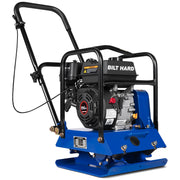
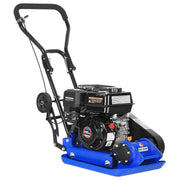 BILT HARD 2500 lbs Plate Compactor – 6.5HP Loncin Gas Engine, 10" Compaction Depth, 5500 VPM, EPA Compliant$509.99
$599.99/ Save $90-
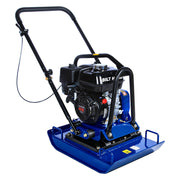
 6.5HP 196cc 3500lbs Plate Compactor, Force Plate Compactor Rammer with 5700 VPM, 18 x 14 in. Steel Plate$549.99
$649.99/ Save $100 -


FAQs
A plate compactor is used to compress loose soil, sand, gravel, asphalt, and paver base. It removes air gaps and creates a firm, level surface for patios, driveways, sidewalks, foundations, and landscaping projects.
- A standard plate compactor typically compacts 2–4 inches per lift
- A heavier reversible model may compact 5–6 inches per lift.
For deeper bases, spread the soil, sand, or gravel in thin layers and compact each layer separately. Actual depth depends on the machine’s weight, compaction force, material type, and moisture level.
Yes, a plate compactor is normally recommended for paver installation. BILT HARD plate compactors provide strong compaction for preparing soil and aggregate bases as well as finishing installed pavers. Some options are designed with paver pads that help protect finished surfaces during compaction.
For patios or hardscape projects that also include poured concrete sections, concrete mixers can be used to prepare concrete for edging, footings, walkways, and other construction work.
For most landscaping projects, a forward plate compactor is the best choice because it is easier to maneuver and works well for pavers, patios, walkways, gravel bases, and small driveways. Choose a plate compactor based on:
- Material: Forward plate compactors suit sand, gravel, and pavers; reversible models handle deeper or heavier work.
- Project size: Use a smaller machine for patios and walkways, or a heavier model for driveways and construction sites.
- Performance: Compare compaction force, rated depth, plate size, and machine weight.
- Features: Consider transport wheels, water tank, and protective pad.
Main risks for using a dirt compactor include:
- Crushing or impact injuries from the moving machine or flying debris.
- Loss of control on slopes, uneven ground, or near edges.
- Noise and vibration exposure that may affect hearing, hands, and arms.
- Burns, fire, or exhaust fumes from gas-powered models.
- Back and muscle strain when lifting or moving the compactor.
Blogs
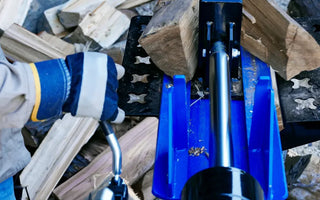
How to Keep a Fire Going Longer With Better Airflow and Dry Wood
To keep a fire going longer, use dry split wood, give the flame a clear path to fresh air, build...
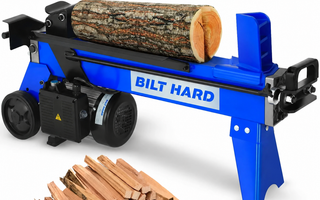
Burning Wood Safely: Best Firewood, Moisture, and Clean Burning
The safest, cleanest wood fire starts with untreated local firewood at 15% to 20% moisture, split to a practical size,...
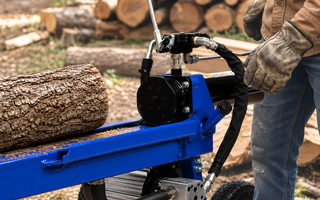
Putting in a Log Burner: Difficulties, Rules and Installation Steps
Putting in a log burner is practical in many homes, but it is safe and compliant only when the stove,...
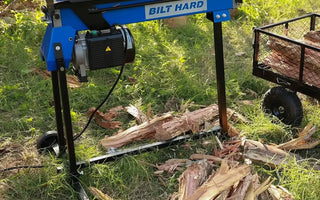
How to Start a Fire in a Fireplace Safely and Keep Smoke Out
The safest way to start a fire in a fireplace is to open the damper, confirm an upward draft, and...