


Filter and sort
2 products
Top Categories for You


FAQs
A garden tiller/cultivator differs mainly in power, size, working depth, and intended use.
- Garden tiller: A larger and more powerful machine designed to break hard or compacted soil, remove old turf, and prepare new garden beds. It works deeper and handles heavier jobs.
- Garden cultivator: A smaller and lighter machine used to loosen the upper layer of soil, remove young weeds, and mix compost or fertilizer into an established bed. It is easier to control in narrow spaces.
For most home gardens, a 13- to 15-amp corded electric tiller cultivator with a 16- to 18-inch working width is the best choice, offering strong performance, efficient coverage, and easy maneuverability.
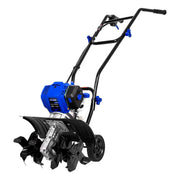
BILT HARD 16" Electric Tiller Cultivator is a practical choice. Its 13.5-amp motor, 16-inch working width, and six steel tines provide enough power and coverage for preparing garden beds, loosening soil, and routine cultivation while remaining easier to handle than a larger gas tiller.
No, a cultivator tool is generally not suitable for breaking new ground. It may work in soft or disturbed soil but struggles with compacted earth, established sod, thick roots, and rocky ground.
Use a full-size tiller to create a new garden bed. A cultivator is better for loosening the top few inches of an existing bed and mixing in soil amendments. If the area contains old tree stumps or heavy woody debris, wood chippers can help with property clearing before soil preparation.
For most people, choose a garden tiller cultivator with a working width of 12 to 18 inches. Choose a wider, heavier gas model for large areas or difficult soil.
- 6–10 inches: Best for raised beds, narrow rows, flower beds, light weeding, and working around established plants.
- 12–16 inches: Best for small to medium gardens, routine soil preparation, compost mixing, and previously cultivated soil.
- 17–20 inches: Covers medium or larger gardens faster while remaining suitable for many walk-behind applications.
An electric garden cultivator is generally better for home gardens. A gas tiller is better for new ground, compacted soil, and large plots. BILT HARD offers both electric and gas tillers for different garden needs.
- Electric tiller: Lighter, quieter, easier to start, and requires less routine maintenance. It works well for existing beds, flower beds, and general soil preparation.
- Gas tiller: Provides greater mobility and is good for heavier or more frequent work. It is suitable for compacted soil, turf, deeper preparation, and larger areas.
Yes, a cultivator tool is useful for most gardens. It loosens surface soil, removes shallow weeds, improves aeration, and mixes compost or fertilizer into garden beds. However, for a very small or no-till garden, hand tools may be enough.
Blogs
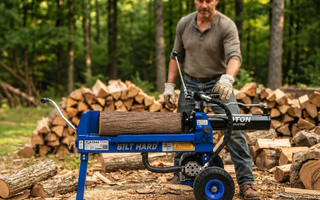
Firewood Moisture Content: What Level Is Best for Burning?
The best firewood moisture content for burning is 15% to 20%, measured on a freshly split interior face. Wood in...
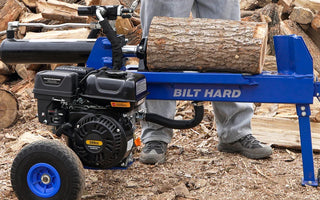
Log Splitter Hydraulic Schematic: How Does It Work
A log splitter hydraulic schematic shows one complete oil circuit: the reservoir supplies the pump, the pump sends flow to...
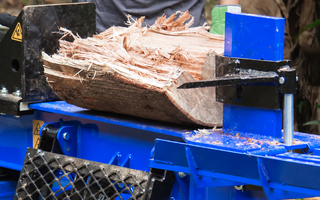
Kinetic vs Hydraulic Log Splitter: Which Is Better?
A kinetic log splitter is usually the better choice when speed is your top priority, and most of your firewood...
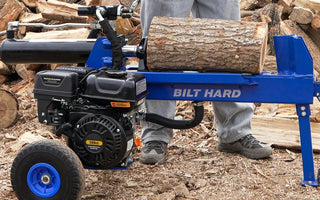
How to Start a Log Splitter Safely Step by Step
The safest way to start a log splitter is to inspect it on level ground, place the hydraulic control in...