Filter and sort
2 products

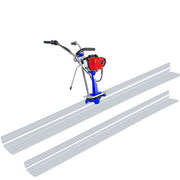 BILT HARD 1.3 HP Gas Concrete Power Screed with 8 ft & 12 ft Aluminum Boards | 6,500 VPM$999.99
$2,399.99/ Save $1,400-
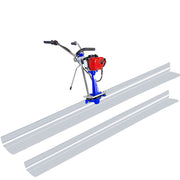 BILT HARD 1.3 HP Gas Concrete Power Screed with 10 ft & 14 ft Aluminum Boards | 6,500 VPM$1,199.99
$2,999.99/ Save $1,800


FAQs
A power screed is a vibrating tool used to level and smooth freshly poured concrete. It removes high spots, fills low areas, and helps consolidate the concrete before final finishing.
For a typical concrete job, the surface may first be prepared with plate compactors, while concrete mixers help prepare the concrete before placement.
A concrete power screed generally costs $900 to $3,200, with many professional models priced around $2,250.
- Compact gas models: $900–$1,300 — best for walkways, small patios, and narrow slabs.
- Standard gas sets: $1,400–$2,200 — suitable for driveways, garage floors, foundations, and regular contractor work.
- Battery-powered models: $1,700–$3,700 — useful for indoor, low-noise, or low-maintenance jobs.
- Prepare the base and forms so they are level and secure.
- Pour and spread the concrete slightly above the target height.
- Set the screed blade flat across the fresh concrete.
- Start the power screed and engage the vibration.
- Pull it backward slowly and steadily, keeping the blade level.
- Fill low spots before moving to final finishing with tools such as concrete power trowels.
Without screeding, fresh concrete can be left with high spots, low spots, uneven thickness, and an irregular surface. These defects are harder to correct once the concrete begins to set and can affect the quality of the final finish.
- Moving too fast or unevenly, which can leave waves or low spots.
- Using too much vibration, which can bring excess mortar to the surface.
- Using too little vibration, resulting in poor consolidation.
- Failing to fill low spots while the concrete is still workable.
- Finishing while bleed water is present, which can weaken the surface.
- Using the wrong screed board size for the slab width.
Blogs
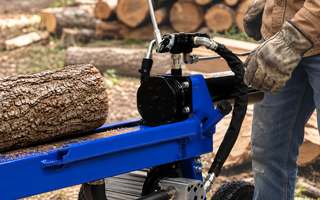
Is Maple Good Firewood? Heat, Burn Time, and Seasoning
Yes, maple is good firewood when it is split, dried to below 20 percent moisture, and matched to the right...
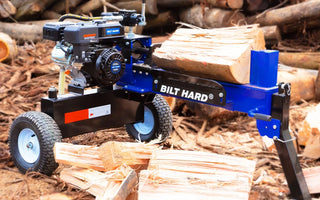
Fireplace Maintenance Checklist for Safe Seasonal Use
Safe fireplace maintenance starts with an annual professional inspection, dry fuel, clear venting, and quick action when smoke or damage...

Clean a Fireplace: How to Remove Ash, Soot, and Creosote Safely
To clean a fireplace safely, remove completely cold ash, clean loose soot with a surface-approved cleaner, and have chimney creosote...
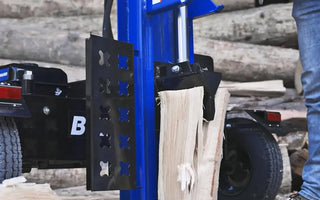
Can You Burn Pressure Treated Wood? Risks and Safe Disposal
No, you should never burn pressure treated wood. Deck boards, fence pieces, and unknown construction scraps do not belong in...