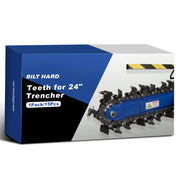
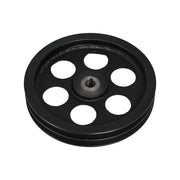
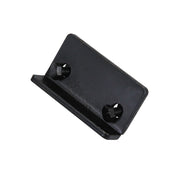
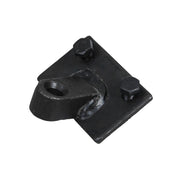
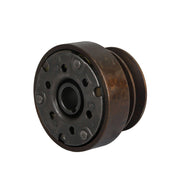
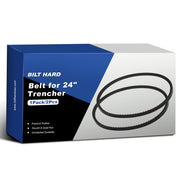
Keep your trencher ready for demanding digging work with BILT HARD trencher parts built for routine replacement, maintenance, and repair. Whether you are cutting trenches for irrigation lines, drainage systems, landscaping projects, fencing, or underground utility work, the right trencher machine parts help maintain consistent digging performance, reduce downtime, and extend the service life of your equipment.
Choose a trencher chain that matches your machine model, boom, sprocket, and required trench width. Using the wrong size or tooth configuration can cause poor digging and premature wear. When replacing trencher parts, check:
Machine make and model: Chains are not universal.
Chain pitch and length: Match the original chain or manufacturer specifications.
Trench width: Select the tooth configuration for the width you need.
Soil type: Cup teeth suit softer soil, while carbide-tipped rock teeth work better in hard or rocky ground.
Sprocket compatibility: Make sure the chain fits the existing drive and idler sprockets.
Regular maintenance helps extend the life of trencher machine parts and reduces unexpected downtime:
Check digging-chain tension before operation.
Inspect cutting teeth and replace broken or heavily worn teeth.
Check sprockets, rollers, and chain links for uneven wear.
Lubricate the chain and other grease points according to the operator’s manual.
Check hydraulic oil, hoses, engine oil, coolant, and filters.
Remove dirt and debris from the boom, radiator, and moving components.
Tighten loose bolts and inspect the machine before each job.
A trencher chain should be snug but not tight, with some controlled sag. On a standard walk-behind trencher, a common rule is to leave enough space for about two to three fingers between the chain and the bottom of the boom. Always follow your specific machine’s manual because larger trenchers may require more sag.