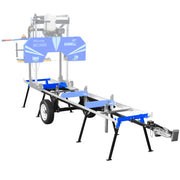

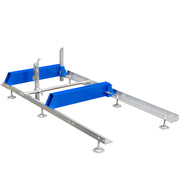



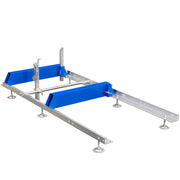

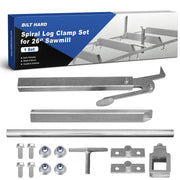

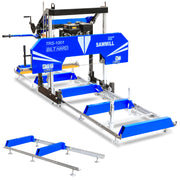





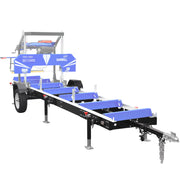
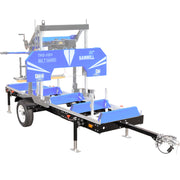


22'' PORTABLE SAWMILL
Single sawmill not enough?
Grab the bundle!
Grab the bundle!

DIAMETER
22"

MAX CUT W.
20"

HORSEPOWER
9HP

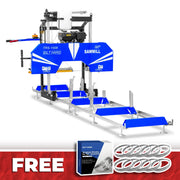

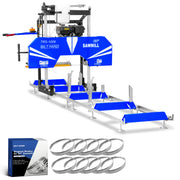
BILT HARD 22" Portable Sawmill with 9HP 270cc Ducar Engine | Includes 10 Saw Blades
 $1,999.99
$3,099.99
/
Save $1,100

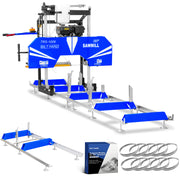
BILT HARD 22" Portable Sawmill with 9HP 270cc Ducar Engine | Includes 6.7ft Track Extension & 10 Saw Blades
$2,199.99
$3,099.99
/
Save $900
BILT HARD 22" Portable Sawmill with 9HP 270cc Ducar Engine | Includes 10 Saw Blades
$1,999.99
$3,099.99
/
Save $1,100
BILT HARD 22" Portable Sawmill with 9HP 270cc Ducar Engine | Includes 6.7ft Track Extension & 10 Saw Blades
$2,199.99
$3,099.99
/
Save $900
26" PORTABLE SAWMILL
Single sawmill not enough?
Grab the bundle!
Grab the bundle!
DIAMETER
26"
MAX CUT W.
22"
HORSEPOWER
15HP

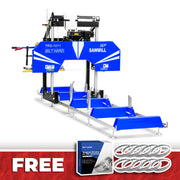
BILT HARD 26" Portable Sawmill with 15HP Ducar 420cc E-Start Gas Engine
 $2,399.99
$2,999.99
/
Save $600

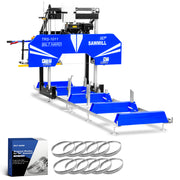
BILT HARD 26" Portable Sawmill with 15HP 420cc Gas Powered Engine | Includes 10 Bonus Blades
$2,599.99
$3,599.99
/
Save $1,000
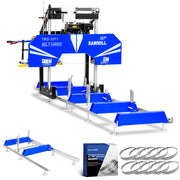
BILT HARD 26" Portable Sawmill with 15HP 420cc Gas Powered Engine | Includes 6.7ft Track Extension & 10 Bonus Blades
$2,699.99
$3,599.99
/
Save $900

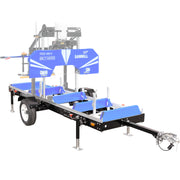
BILT HARD 26" Portable Sawmill with 15HP Ducar 420cc E-Start Gas Engine
$2,399.99
$2,999.99
/
Save $600
BILT HARD 26" Portable Sawmill with 15HP 420cc Gas Powered Engine | Includes 10 Bonus Blades
$2,599.99
$3,599.99
/
Save $1,000
BILT HARD 26" Portable Sawmill with 15HP 420cc Gas Powered Engine | Includes 6.7ft Track Extension & 10 Bonus Blades
$2,699.99
$3,599.99
/
Save $900
32" PORTABLE SAWMILL
Single sawmill not enough?
Grab the bundle!
Grab the bundle!
DIAMETER
32"
MAX CUT W.
28.7"
HORSEPOWER
15HP

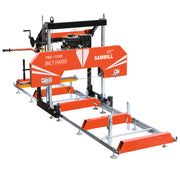
BILT HARD 32" Portable Sawmill, 14HP 408cc Briggs & Stratton Vanguard E-Start Engine, 32" Log Capacity, 28.7" Board Width
$3,499.99
$4,379.99
/
Save $880

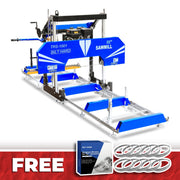
BILT HARD 32" Portable Sawmill with 15HP Ducar 420cc E-Start Gas Engine
$2,599.99
$3,499.99
/
Save $900

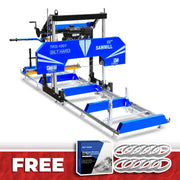
BILT HARD 32" Portable Sawmill with 13.5HP Briggs & Stratton 420cc E-Start Gas Engine
$2,999.99
$3,999.99
/
Save $1,000

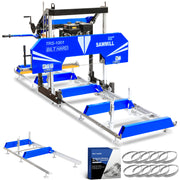
BILT HARD 32" Portable Sawmill with 15HP 420cc Ducar Gas Engine | 6.7ft Track Extension & 10 Blades Included
$3,199.99
$3,999.99
/
Save $800
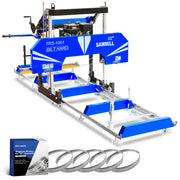
BILT HARD 32" Portable Sawmill – 15HP 420cc Ducar Gas Engine | Industrial Power | Includes 10 Blades
$2,799.99
$3,999.99
/
Save $1,200
BILT HARD 32" Portable Sawmill, 14HP 408cc Briggs & Stratton Vanguard E-Start Engine, 32" Log Capacity, 28.7" Board Width
$3,499.99
$4,379.99
/
Save $880
BILT HARD 32" Portable Sawmill with 15HP Ducar 420cc E-Start Gas Engine
$2,599.99
$3,499.99
/
Save $900
BILT HARD 32" Portable Sawmill with 13.5HP Briggs & Stratton 420cc E-Start Gas Engine
$2,999.99
$3,999.99
/
Save $1,000
BILT HARD 32" Portable Sawmill with 15HP 420cc Ducar Gas Engine | 6.7ft Track Extension & 10 Blades Included
$3,199.99
$3,999.99
/
Save $800
36" PORTABLE SAWMILL
Single sawmill not enough?
Grab the bundle!
Grab the bundle!
DIAMETER
36"
MAX CUT W.
36"
HORSEPOWER
25HP

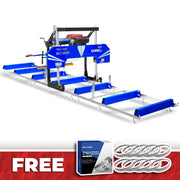
BILT HARD 36" Portable Sawmill with 25HP Ducar 760cc E-Start Gas Engine
$3,649.99
$4,499.99
/
Save $850

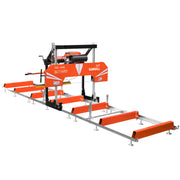
BILT HARD 36" Portable Sawmill, 23HP 627cc Briggs & Stratton Vanguard V-Twin E-Start Engine, 36" Log Capacity, 36" Board Width
$5,899.99
$7,374.99
/
Save $1,475

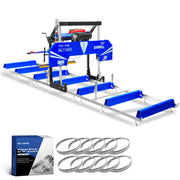
BILT HARD 36" Portable Sawmill with 25HP Ducar 760cc Engine | Includes 10 Blades
$3,899.99
$4,999.99
/
Save $1,100
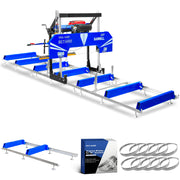
BILT HARD 36" Portable Sawmill with 25HP Ducar 760cc Engine | Includes 6.7ft Extension & 10 Blades
$4,099.99
$4,799.99
/
Save $700
BILT HARD 36" Portable Sawmill with 25HP Ducar 760cc E-Start Gas Engine
$3,649.99
$4,499.99
/
Save $850
BILT HARD 36" Portable Sawmill, 23HP 627cc Briggs & Stratton Vanguard V-Twin E-Start Engine, 36" Log Capacity, 36" Board Width
$5,899.99
$7,374.99
/
Save $1,475
BILT HARD 36" Portable Sawmill with 25HP Ducar 760cc Engine | Includes 10 Blades
$3,899.99
$4,999.99
/
Save $1,100
BILT HARD 36" Portable Sawmill with 25HP Ducar 760cc Engine | Includes 6.7ft Extension & 10 Blades
$4,099.99
$4,799.99
/
Save $700
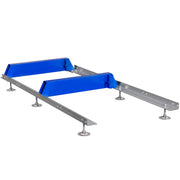
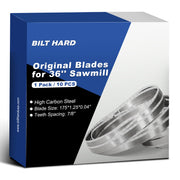
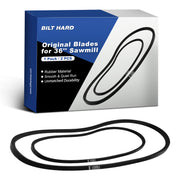
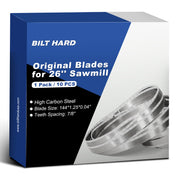
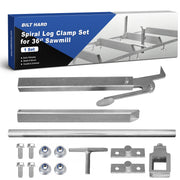
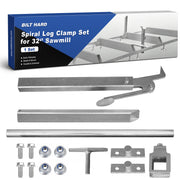
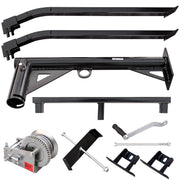
SAWMILL PARTS & ACCESSORIES
Everything you need for smoother cuts and reliable performance.





Top Categories For You


FAQs
For most people, a 22"–26"portable sawmill is enough. BILT HARD currently offers 22", 26", 32", and 36" models to match different log sizes.
- 22" sawmill: Smaller logs, DIY lumber, occasional use
- 26" sawmill: Homesteads, farms, and regular milling
- 32" sawmill: Larger logs and wide boards
- 36" sawmill: Oversized logs and wide slabs
If your logs are close to the machine's maximum capacity, choose the next size up for easier loading and cutting.
For most buyers, a 26" 15HP portable sawmill is the best choice. The BILT HARD 26" model handles logs up to 26" in diameter, offers a 22" maximum cutting width, and currently starts at $2,199.99.
For lighter DIY use, the BILT HARD 22" 9HP model is a more affordable choice, while the 32" model is worth the upgrade if you frequently mill larger timber.
The most common portable sawmills are:
- Chainsaw mills: Low-cost and highly portable, but slower and less efficient for regular milling.
- Portable band sawmills: Use a thin bandsaw blade to produce lumber with less wood waste; a practical choice for farms, homesteads, and small businesses.
- Circular or swing-blade sawmills: Designed for faster production of dimensional lumber.
- Hydraulic sawmills: Use powered log loading, turning, and clamping for higher-volume production with less manual labor.
Choose a portable sawmill that can handle your typical log diameter and desired board width, then match the engine power and track length to how often you plan to cut and what you plan to cut. The main factors are log diameter and cutting width, engine power, maximum log length, and milling frequency and workload.
The most common portable sawmill challenges are blade wear, uneven cuts, difficult log handling, and slower cutting through dirty, dense, or irregular wood.
Dull blades, incorrect blade tension, poor track alignment, worn guides, and feeding too quickly can also reduce cutting accuracy and blade life. Clearing branches with wood chippers before milling can make the work area easier to manage.
Regular blade maintenance, proper log clamping, a level track, and a steady feed rate help prevent most of these problems.
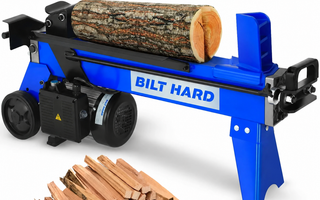
Yes, a portable saw mill is worth it if you regularly process the logs. It lets you mill timber on-the-spot instead of transporting them to a stationary sawmill. It can be especially useful for farms, wooded properties, and homesteads. In these workflows, a log splitter can handle shorter rounds and firewood while the sawmill is used for logs worth turning into boards or slabs.
Blogs
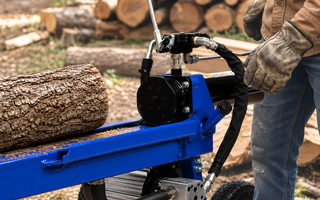
Burning Wood Safely: Best Firewood, Moisture, and Clean Burning
The safest, cleanest wood fire starts with untreated local firewood at 15% to 20% moisture, split to a practical size,...
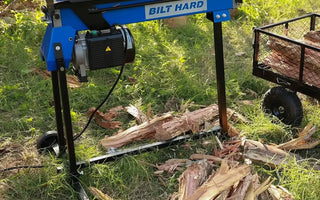
Putting in a Log Burner: Difficulties, Rules and Installation Steps
Putting in a log burner is practical in many homes, but it is safe and compliant only when the stove,...
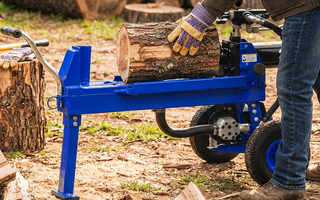
How to Start a Fire in a Fireplace Safely and Keep Smoke Out
The safest way to start a fire in a fireplace is to open the damper, confirm an upward draft, and...
Firewood BTU Chart: Heat Output by Wood Type
Seasoned hickory, oak, and maple deliver more heat per cord than lighter woods such as pine, so the species you...