Filter and sort
4 products

-
-
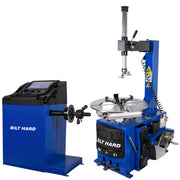
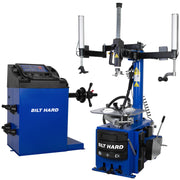
 BILT HARD 110V Large-Capacity Tire Changer & Wheel Balancer Combo with Bead Blaster$2,399.99
$2,999.99/ Save $600 -
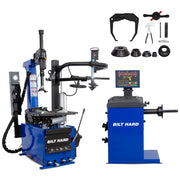 BILT HARD Advanced 110V Tire Changer & Wheel Balancer Combo with Assist Arm, Bead Blaster, Auto Measure & Laser Guide$3,399.99
$4,299.99/ Save $900


Tire Changers

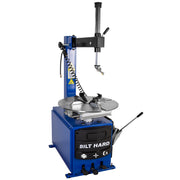

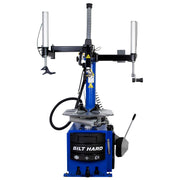
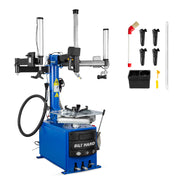
BILT HARD 2 HP Swing Arm Tire Changer with Double Assist Arms & Bead Blaster
$1,599.99
$1,999.99
/
Save $400


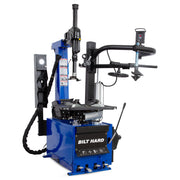
BILT HARD 1.5HP 110V Tilt-Back Tire Changer with Assist Arm & Bead Blaster, for 12–26 in Rims
$2,499.99
$3,099.99
/
Save $600

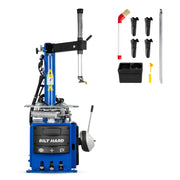
BILT HARD 110V Large-Capacity Tire Changer, 12–26" with Bead Blaster
$1,599.99
$1,999.99
/
Save $400

FAQs
A good tire machine and balancer should provide dependable tire mounting and removal, accurate wheel balancing, and compatibility with the wheels you regularly service.
BILT HARD offers a tire changer and wheel balancer combo designed for regular automotive tire service, including swing-arm and assist-arm configurations. These setups make tire removal, installation, and balancing more efficient while keeping both functions together for garage and workshop use.
A typical tire balancing machine can handle wheels with rim diameters of about 10–30 or 10–32 inches, rim widths of 1.5–20 inches, and tire diameters around 39–44 inches. Most models support a maximum wheel weight of 150–175 lb, depending on the machine design and capacity.
The two main types of tire balancing machines are static and dynamic balancers:
- Static balancer: Corrects imbalance on one plane. It is simple and suitable for narrow wheels, motorcycle wheels, and occasional low-volume work.
- Dynamic spin balancer: Measures imbalance across the inner and outer wheel planes. It is more accurate and better for cars, SUVs, performance wheels, and professional tire shops.
Tires should generally be balanced every 5,000–6,000 miles, or whenever you notice vibration, uneven tire wear, or install new tires. Regular balancing with a tire balancing machine helps the wheels spin smoothly and reduces unnecessary tire and suspension wear.
Yes, you can balance tires yourself. Use a wheel balancer and follow the right working process:
- Remove the wheel and clean off dirt or old, loose weights.
- Mount the wheel securely on the tire balancer.
- Enter the wheel dimensions and run a balance cycle.
- Add wheel weights where the machine indicates.
- Spin the wheel again and adjust until it reads balanced.
- Reinstall the wheel and tighten the lug nuts to the correct torque.
If you also mount or remove tires regularly, a tire changer can make the full tire service process easier.
Yes, all four tires should be properly balanced. An imbalance in the front wheels often causes steering-wheel vibration, while an imbalance in the rear wheels may be felt through the seat or floor. Keeping all four wheels balanced provides smoother driving and more even tire wear.
Blogs
Is Maple Good Firewood? Heat, Burn Time, and Seasoning
Yes, maple is good firewood when it is split, dried to below 20 percent moisture, and matched to the right...
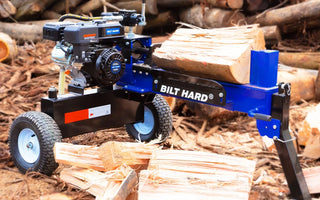
Fireplace Maintenance Checklist for Safe Seasonal Use
Safe fireplace maintenance starts with an annual professional inspection, dry fuel, clear venting, and quick action when smoke or damage...

Clean a Fireplace: How to Remove Ash, Soot, and Creosote Safely
To clean a fireplace safely, remove completely cold ash, clean loose soot with a surface-approved cleaner, and have chimney creosote...
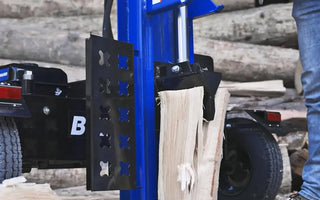
Can You Burn Pressure Treated Wood? Risks and Safe Disposal
No, you should never burn pressure treated wood. Deck boards, fence pieces, and unknown construction scraps do not belong in...