Blogs

Discover expert tips, practical how-to guides, equipment reviews, and project inspiration for your garage, workshop, lawn, and outdoor spaces. Find helpful advice to choose the right tools, tackle everyday projects, and get the most out of your equipment.

All Articles

View All

Mortar Mix vs Concrete Mix and When to Use Each

In the mortar mix vs concrete mix choice, use mortar to bond masonry units and concrete to form slabs, post bases, footings, or other solid elements. Mortar normally contains fine sand and a cement-based binder. Concrete adds coarse aggregate such as gravel or crushed stone. This ingredient changes how the material is placed, how it handles loads, and where it can be used safely. Mortar Mix vs Concrete Mix: What’s the Difference? Mortar fills joints and helps separate masonry units work together. Concrete hardens a

How Does a Concrete Mixer Work and What Are Its Main Parts?

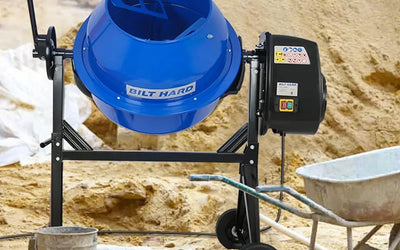
A concrete mixer uses a motor or engine to turn a drum or mixing blades, which repeatedly lift and fold the ingredients until the concrete becomes evenly mixed. Portable mixers usually depend on a rotating drum with fixed internal blades. Larger machines may use moving paddles, continuous feed systems, or spiral blades inside a truck drum. The design changes, but every mixer must load the materials, distribute the water, mix the batch, and discharge it safely. What Are the Main Parts of a Concrete Mixer? The main p

How to Mix Concrete in a Mixer for a Consistent Batch

To mix concrete in a mixer consistently, measure each batch, add most of the required water first, load the dry mix slowly, then mix for 3 to 5 minutes while making only small water adjustments. The concrete package and mixer manual control the job. Record the water amount and timing used in the first correct batch so later batches can follow the same settings. What Should You Check Before Mixing Concrete? A consistent batch depends on decisions made before the drum starts turning. Prepare the complete workflow so