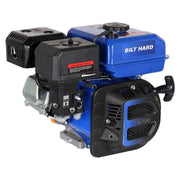
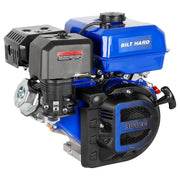
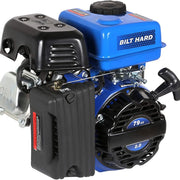
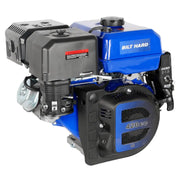
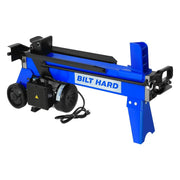
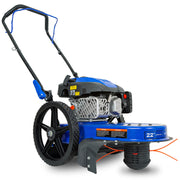
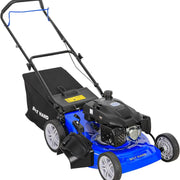
Find a dependable BILT HARD engine to replace or upgrade the power source on outdoor equipment, workshop machines, pumps, log splitters, and other machinery. Choose from gas engines with different horsepower, shaft sizes, and starting options to match your equipment’s mounting requirements, workload, and operating needs.
For most replacement applications, a 7HP horizontal-shaft engine is enough. Choose an engine based on these core factors:
Power and torque: Check the required horsepower, torque, and operating RPM.
Shaft specifications: Confirm shaft direction, diameter, length, and keyway size.
Mounting pattern: Make sure the bolt holes match the equipment frame.
Physical size: Check the engine’s length, width, height, and available clearance.
Starting system: Choose recoil or electric start based on your needs.
Measure the available space and compare the mounting pattern, shaft size, shaft position, rotation direction, RPM, power output, and control connections. An engine swap will fit only when both the physical dimensions and operating specifications are compatible.
The ideal engine size usually matches the original engine’s horsepower and displacement. Choose enough power for the equipment’s normal workload without greatly exceeding its frame, shaft, or drivetrain limits.
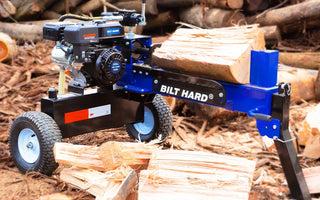
Required power can vary significantly by application. Equipment that handles heavier mechanical loads, such as log splitters, may require more engine power than smaller residential machines, so use the original equipment specifications as your starting point.
Yes, you can replace an engine with a different model if it has compatible dimensions, mounting holes, shaft specifications, RPM, horsepower, and controls. Differences in these areas may require adapters or equipment modifications, which can increase cost and installation difficulty.
For equipment that needs a dependable power source in different locations, generators are another common application where engine size and output need to be matched carefully.
Look for an “OHV” label or a separate valve cover on the cylinder head. OHV engines place the valves above the combustion chamber and use pushrods and rocker arms to operate them. The model number or owner’s manual can provide final confirmation.
BILT HARD offers OHV gas engines for replacement applications, with multiple horsepower and shaft options suitable for equipment such as pumps, splitters, and other power machinery.