Filter and sort
4 products

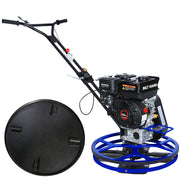 BILT HARD 24-Inch Edging Power Trowel, 6.5HP 196cc Gas Concrete Finisher with Float Pan & 4 Combo Blades$599.99
$999.99/ Save $400-
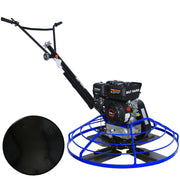 BILT HARD 36-Inch Power Trowel, 6.5HP 196cc Gas Concrete Finishing Machine with Float Pan, 4 Combo Blades, 0–120 RPM$1,099.99
$1,999.99/ Save $900 -
-
[LIKE NEW] BILT HARD 36-Inch Power Trowel, 6.5HP 196cc Gas Concrete Finishing Machine with Float Pan, 4 Combo Blades, 0–120 RPM$879.99
$1,999.99/ Save $1,120


FAQs
A power trowel smooths, levels, and densifies the surface of partially set concrete. Its rotating blades or float pan remove small imperfections and help create a harder, more uniform finish. For best results, the slab should first be properly leveled with a power screed before final troweling.
- Mix and place evenly: Use a consistent concrete mix; a concrete mixer helps maintain consistency.
- Screed the slab: Remove excess concrete and level the surface.
- Float the surface: Use a bull float and wait until bleed water disappears.
- Start troweling at the right time: Begin when the concrete is firm enough to support the machine without deep marks.
- Make several finishing passes: Use a concrete power trowel, gradually increasing blade pitch as the slab hardens.
- Cure the concrete properly: Begin curing after the finished surface is firm enough to resist damage.
For large concrete slabs, a concrete power trowel is one of the best tools for producing a smooth, dense finish.
The BILT HARD 36-Inch Power Trowel is a strong choice for garage floors, patios, driveways, and other medium-to-large slabs. It includes a float pan, four combo blades, adjustable 0–120 RPM speed, and 0–15° blade pitch.
- Slab size: Hand trowels suit small areas and edges; power trowels are faster for larger slabs.
- Trowel diameter: Smaller machines offer better control in tight spaces, while wider machines cover open slabs faster.
- Blade type: Float pans work well for early floating; combo or finish blades are used for later finishing.
- Blade pitch: Adjustable pitch gives better control as the concrete becomes harder.
- Speed control: Variable speed helps match the machine to different stages of concrete finishing.
Usually, no. Power floating should be done while the concrete is firm but still workable. By the next day, most concrete has hardened too much for a power trowel to effectively smooth or densify the surface.
Blogs
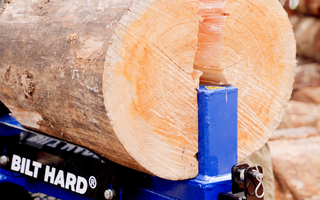
Best Firewood for Fire Pit: Top Choices for Burning
The best firewood for a fire pit is dry, seasoned hardwood, with oak offering the most dependable balance of heat,...
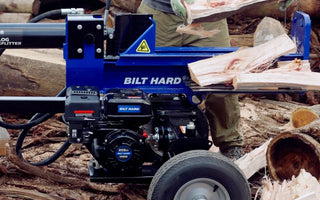
How Much Does a Cord of Wood Weigh?
A full cord of wood usually weighs about 2,000 to 4,000 pounds when seasoned and about 3,000 to 5,000 pounds...

Firewood Moisture Content: What Level Is Best for Burning?
The best firewood moisture content for burning is 15% to 20%, measured on a freshly split interior face. Wood in...
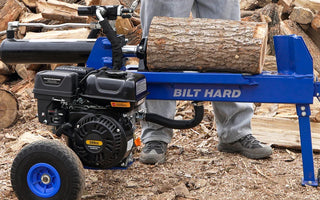
Log Splitter Hydraulic Schematic: How Does It Work
A log splitter hydraulic schematic shows one complete oil circuit: the reservoir supplies the pump, the pump sends flow to...