6.5-14 TON ELECTRIC SPLITTERS
Plug-in power for home firewood.

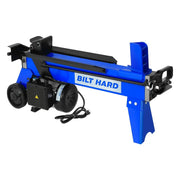

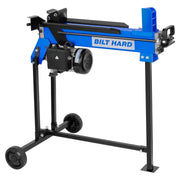

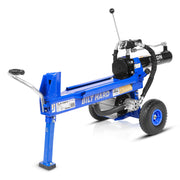
BILT HARD 14-Ton Electric Log Splitter, 120V 15A Motor, 11.7-Second Cycle, 20" × 16" Log Capacity
 $699.99
$999.99
/
Save $300

18-27 TON GASSPLITTERS
Gas-powered options for regular property use.

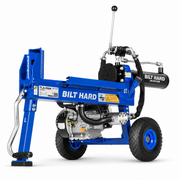
BILT HARD LOG-X Series 18-Ton Full Beam Gas Log Splitter: 7hp 209cc OHV Engine, 4" Stroke
 $749.99
$809.99
/
Save $60


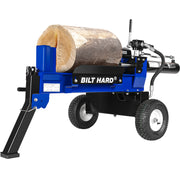
BILT HARD LOG-X Series 22-Ton Gas Log Splitter: 209cc Engine, 7-Second Cycle
$999.99
$1,599.99
/
Save $600

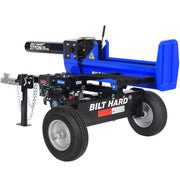
30–40 TON GAS SPLITTERS
Heavy-duty models with log-lift options.

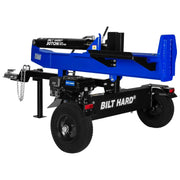
BILT HARD LOG-X Series 30-Ton Full Beam Gas Log Splitter with 7.5hp 223cc OHV Engine, 22.6" Stroke
$1,499.99
$2,999.99
/
Save $1,500

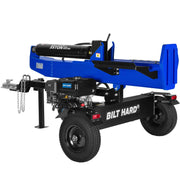
BILT HARD LOG-X Series 35-Ton Full Beam Gas Log Splitter: 10hp 301cc OHV Engine, 23" Stroke
$1,649.99
$2,499.99
/
Save $850

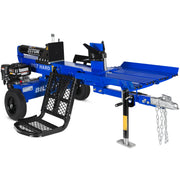
BILT HARD LOG-X 35-Ton Full Beam Gas Log Splitter with Hydraulic Log Lift, 10 HP 306cc 4-Stroke Engine, 2 to 6-Way Wedges
$3,499.99
$4,099.99
/
Save $600

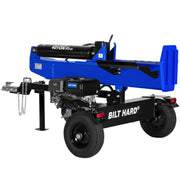
BILT HARD LOG-X Series 40-Ton Full Beam Gas Log Splitter: 13hp 389cc OHV Engine, 23" Stroke
$1,899.99
$2,999.99
/
Save $1,100
Top Categories For You


FAQs
A good log splitter usually provides 6–30 tons of splitting force. For occasional home use, 6–14 tons is sufficient. Choose 25 tons or more for large hardwood rounds.
BILT HARD log splitter models are available in these main ranges:
- 6.5–14 Ton Electric Models — Best for smaller logs, seasoned firewood, and regular home use.
- 18–27 Ton Gas Models — Suitable for larger logs, hardwood, and more frequent splitting.
- 30–40 Ton Gas Models — Built for large, dense, green, or knotty hardwood and heavier splitting jobs.
Consider these factors when comparing wood splitters:
- Wood and log size: Check the maximum supported log diameter and length. Hardwood, knotty wood, green logs, and larger rounds require more splitting force.
- Tonnage and workload: Choose enough tonnage for the hardest logs you expect to process. Regular use requires more power.
- Power source: Electric models are quieter and easier to maintain, while gas models offer greater power and mobility.
- Operation and speed: Vertical operation reduces heavy lifting, while high speed increases hourly output.
Yes, but noise levels depend mainly on the power source.
- An electric log splitter is relatively quiet because it has no gasoline engine, although the motor, hydraulic pump, and splitting action still produce some noise.
- Gas models are considerably louder and are better suited to outdoor use.
- Manual splitters have no engine noise but still create impact sounds.
For most households, the best woodsplitter is a 6.5- to 10-ton electric model. It is easy to start, relatively quiet, low-maintenance, and powerful enough for firewood around 10–12 inches in diameter and 20 inches long.
For example, the BILT HARD 6.5-ton electric model accepts logs up to 20.5 inches long and is suitable for occasional home use. A 14-ton electric model is a better choice for larger logs or more frequent hardwood splitting.
After splitting, a dump cart can also make it easier to move firewood from the splitting area to a shed, rack, or storage area.
A horizontal log splitter is better for most household firewood, while a vertical model is better for large, heavy rounds.
- Horizontal splitter: Easier to control and faster for small to medium logs, making it suitable for firewood and regular home use.
- Vertical splitter: Allows rounds to be rolled into position instead of lifted, making it better for oversized or difficult hardwood logs.
Blogs
How to Keep a Fire Going Longer With Better Airflow and Dry Wood
To keep a fire going longer, use dry split wood, give the flame a clear path to fresh air, build...
Burning Wood Safely: Best Firewood, Moisture, and Clean Burning
The safest, cleanest wood fire starts with untreated local firewood at 15% to 20% moisture, split to a practical size,...
Putting in a Log Burner: Difficulties, Rules and Installation Steps
Putting in a log burner is practical in many homes, but it is safe and compliant only when the stove,...
How to Start a Fire in a Fireplace Safely and Keep Smoke Out
The safest way to start a fire in a fireplace is to open the damper, confirm an upward draft, and...