The safest way to start a fire in a fireplace is to open the damper, confirm an upward draft, and light a small stack of dry tinder, kindling, and split firewood with room for air to move. Do not use a fireplace with an unknown inspection history, visible damage, or a blocked flue.
What Do You Need to Start a Fireplace Fire?
A reliable fireplace fire begins with preparation. Every item should support one of three jobs: ignition, steady fuel transfer, or safe control. Preparing the full setup also makes it easier to respond calmly if the first flame behaves unexpectedly.
Dry Firewood
Choose seasoned firewood with a moisture content of 20% or less. The EPA's wood-burning guidance explains that dry wood lights more easily and creates less smoke, while wet wood wastes heat by evaporating water.
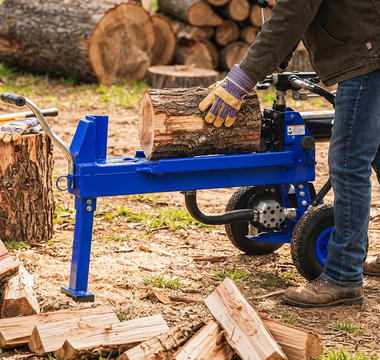
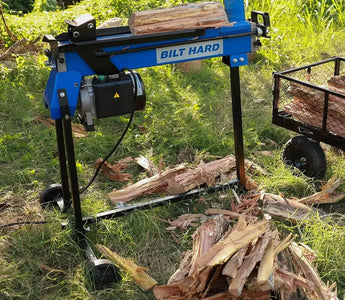
Split pieces are easier to dry and arrange than round logs. If you prepare fuel at home, a log splitter can produce a useful mix of narrow starter pieces and larger pieces for the established fire.
Tinder and Kindling
Tinder is the first material to ignite. Use plain, dry newspaper, dry bark, wood shavings, or an all-natural fire starter rated for indoor fireplaces. Do not use glossy paper, cardboard, or household trash.
Kindling carries the flame to the firewood. Prepare dry sticks ranging from pencil to thumb thickness so they catch in sequence and heat the small logs.
Fireplace Tools to Keep Nearby
Keep long matches or a long-reach lighter, a poker, tongs, a shovel, heat-resistant gloves, and a fitted screen nearby. Place a fire extinguisher where you can reach it without moving toward the fire. Working smoke and carbon monoxide alarms are essential.
What to Check Before You Light the Fire
Use the fireplace only after a recent professional inspection if you have moved in or do not know its history. Stop if you see cracks, heavy deposits, a nest, or flue debris.
Make Sure the Damper Is Open
The damper is the metal plate that controls the path into the chimney. Open it fully before lighting anything. A closed or faulty damper can fill the room with smoke and create a fire hazard.
Check That the Chimney Is Drafting Up
An open damper does not guarantee upward airflow. Turn off exhaust fans and the clothes dryer because they can lower indoor pressure and pull air down the chimney.
With the fireplace cold, hold a smoking incense stick near the upper front of the firebox. Smoke should move up through the damper. If it enters the room, do not light the fire. A persistent reverse flow needs professional attention.
Clear the Hearth Around the Fireplace
Remove enough cold ash to expose the grate and air passages. Confirm that the grate sits firmly and no fuel can roll toward the room. Move rugs, firewood, and furniture at least 3 feet from the fireplace. Set the screen in position, and keep children and pets outside the cleared area.

How to Start a Fire in a Fireplace
A bottom-up fire develops through a controlled transfer of heat from fast-lighting material to longer-burning fuel. A Montana State University wood-heating guide identifies minimal startup smoke as one of its advantages.
Larger splits form the base, smaller pieces sit above them, and tinder burns at the top. Each stage must become hot enough to support the next without restricting the air moving through the stack. Build the complete starting arrangement before ignition so you do not need to reach into a live fire.
Step 1: Place Tinder in the Center
Loosely place two or three small tinder bundles in the center of the grate. Do not pack them into a dense ball. The flame needs air around the edges, and a tight bundle tends to smolder.
Step 2: Add Kindling Around the Tinder
Lean the thinnest kindling over the tinder in a loose teepee, or cross-stack it in a small square. Leave visible gaps on every side. Add a few thumb-thick pieces above the sticks, but keep the tinder accessible to the lighter.
Step 3: Stack Small Firewood With Air Gaps
Lay two small split pieces on opposite sides of the kindling, then add one or two pieces across them. Keep the stack low and leave finger-width channels between the pieces. Those channels let room air reach the flame and give smoke a clear path upward.
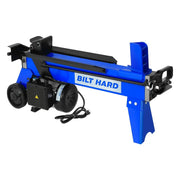
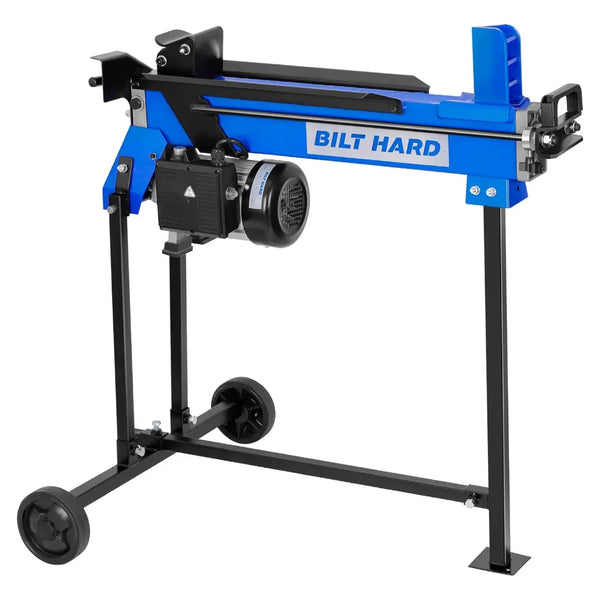
Oversized firewood is difficult to arrange with enough open space and slow to ignite during startup. The BILT HARD 6.5-Ton Electric Hydraulic Log Splitter with Stand accepts logs up to 20.5 inches long and 9.8 inches in diameter, allowing users to split logs into fireplace-sized pieces makes cross-stacking easier and gives the kindling more exposed wood surface to ignite.
Step 4: Light the Tinder
Light the tinder in two places with a long match or long-reach lighter. Replace the fireplace screen as soon as the flame is established. Never use gasoline, kerosene, charcoal starter, or another liquid accelerant.
Watch the first smoke. It should rise through the damper. If smoke rolls into the room, do not add fuel. Let the small fire die safely, ventilate the room, and correct the draft problem before trying again.
Step 5: Let the Kindling Catch Fully
Wait until several kindling pieces are burning with steady flames and the smallest splits have begun to char. A strong kindling flame also warms the flue, which strengthens the upward draft. If the flame weakens, use the poker to open a blocked air gap.
Step 6: Add Larger Logs Gradually
Once the kindling and small wood support a stable flame, place one larger split across the burning pieces with tongs. Wait for it to ignite before adding another.
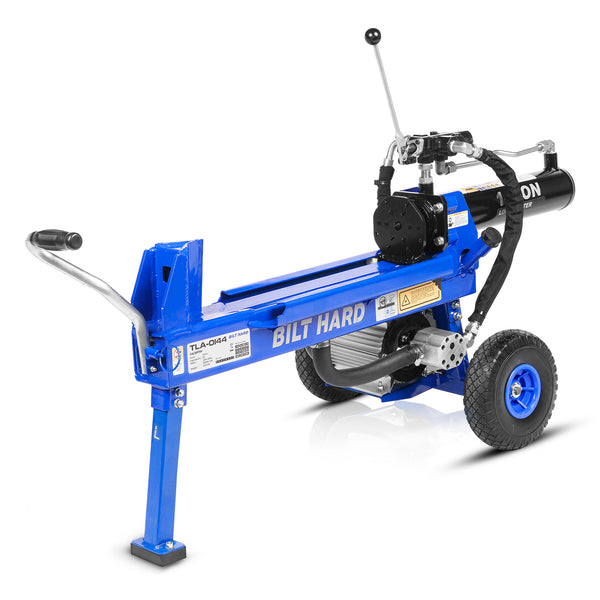
For frequent preparation of thicker fireplace logs, the BILT HARD 14-Ton Electric Log Splitter delivers 14 tons of splitting force for wood up to 20 inches long and 16 inches in diameter. Its 11.7-second cycle and two-stage hydraulic pump suit repeated preparation of a firewood batch.
Properly sized splits can then be added one at a time without a large log crushing the flame or blocking airflow.
How to Keep Smoke Out of the Room
Smoke enters the room when the fireplace cannot move combustion gases outdoors as quickly as the fire produces them. More than one condition may contribute, so adding fuel rarely solves the underlying problem. Watch the direction and volume of smoke from the moment of ignition. Treat visible or persistent indoor smoke as a warning.
Warm Up a Cold Chimney First
Cold, dense air can flow down the flue and oppose the first warm smoke. After opening the damper, hold an indoor-rated fire starter or a tightly rolled piece of plain newspaper near the upper firebox and light it. Watch for smoke to begin moving upward before lighting the main tinder.
Burn Firewood With 20% Moisture or Less
The EPA says wood burns best below 20% moisture. Damp wood may hiss, resist ignition, and produce a cool, smoky fire that cannot establish a strong draft. Check a newly split inner face rather than an old end grain.
If the reading is too high, return the wood to a covered, ventilated stack. Do not try to compensate with extra tinder or accelerant.
Give the Fire Enough Air
Keep gaps between tinder, kindling, and logs. Make sure ash is not blocking the grate. When a tight house lacks replacement air, cracking a nearby window can help.
Turn off exhaust fans and the clothes dryer during startup; even a small kitchen or bath fan can backdraft a natural-draft fireplace when the chimney is cold.
Start Small Before Adding More Logs
A small fire establishes draft faster than a crowded pile that smolders. Begin with thin fuel, wait for active flame, and add one split at a time. Keep the top of the stack well below the damper opening and preserve a route for flame and smoke.
If dry wood and an open damper do not stop smoke from entering the room, stop using the fireplace. A blockage, damaged chimney, unsuitable flue size, or house-pressure problem may require a certified inspection.
FAQs
Can You Start a Fireplace Fire Without Newspaper?
Yes. Use dry bark, untreated wood shavings, or an all-natural fire starter rated for indoor fireplaces. Place it under dry kindling and leave air gaps.
Which Method Produces Less Startup Smoke?
The top-down method generally produces less startup smoke. Tinder and kindling burn above the larger logs, warming the flue early while the fuel below ignites gradually.
Why Is Smoke Coming Out of the Fireplace?
Common causes include a closed damper, a cold or blocked flue, wet wood, an overcrowded fire, or negative indoor pressure. Arrange a professional inspection if the problem continues.
How Often Should You Clean a Wood Fireplace?
Have the chimney and fireplace inspected every year and cleaned when deposits require it. CSIA recommends sweeping masonry fireplaces at 1/8 inch of soot buildup, or sooner when glazed creosote is present.
Can You Use Softwood in an Indoor Fireplace?
Yes, if it is dry and the fireplace permits wood fuel. Softwood catches quickly, so it works well as kindling. It also burns faster than dense hardwood.
What Should You Never Burn in a Fireplace?
Never burn trash, plastic, foam, cardboard, glossy paper, painted or pressure-treated wood, plywood, particleboard, or wet and moldy wood.
Conclusion
Safe fireplace ignition depends on three conditions: a clear upward draft, firewood at 20% moisture or less, and an open stack that receives enough air. Start with tinder and small splits, add larger logs only after the flame is stable, and stop if smoke enters the room.
Consistent fuel preparation makes those habits easier because a splitter creates the range of sizes a fire needs, while portable saw mills serve a different role by turning suitable logs into boards for lumber projects. Keep fireplace fuel dry, correctly sized, and separate from treated or finished wood.