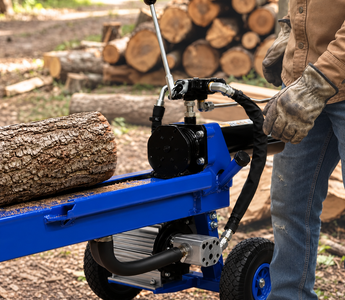
Yes, maple is good firewood when it is split, dried to below 20 percent moisture, and matched to the right type of fire. Homeowners can use dense sugar maple for winter heating, while lighter red or silver maple works well for everyday fires.
The species matters because maple is a broad name. Sugar maple contains more wood mass in each cord than most soft maples, so it usually produces more heat and holds coals longer.
How Hot and Long Does Maple Firewood Burn?
Maple ranges from moderate to high heat depending on the species. Published heat figures compare a full cord under stated drying conditions, so they help with purchasing and storage decisions.
A BTU rating does not predict the exact room temperature or number of hours per load. Stove efficiency and air control affect how much useful heat reaches the room.
Heat Output Varies by Maple Species
Denser maple places more combustible wood inside the same stacked volume. The following figures come from the Oklahoma State University Extension firewood table. These numbers describe potential energy in dry wood. Moisture, cord volume, and wood density can change comparisons between published tables.
|
Maple species |
Available heat in million BTU per cord |
Relative heat |
Practical use |
|
Sugar maple |
23.2 to 24.0 |
High |
Winter heating and long stove loads |
|
Red maple |
18.1 to 20.0 |
Medium |
Regular household fires |
|
Silver maple |
17.4 to 19.3 |
Medium-low |
Quick heat and mild weather |
|
Boxelder |
About 17.9 |
Medium-low |
Kindling and short fires |
What Changes Maple Firewood Burn Time
Dense pieces generally burn longer than equal-sized pieces of lighter wood. Sugar maple therefore tends to last longer than silver maple under similar conditions.
Split size changes the rate. Small pieces expose more surface area and usually ignite faster, while thicker pieces release their fuel more slowly after the firebox is hot. A suitable log splitter makes it easier to prepare different split sizes for kindling, quick fires, or longer stove loads.
Moisture can shorten useful heating time even when a wet log appears to remain in the firebox. Energy is consumed as internal water heats and turns into vapor. The fire may smolder without delivering strong room heat.
Which Maple Works Best for Overnight Fires
Sugar maple is the best common maple for a long stove load. Its higher density supports steady heat and a lasting coal bed when the wood is properly seasoned.
Red maple can support a useful evening fire, though it may require more frequent loading. Silver maple and boxelder are better used to start the load or provide quicker heat before denser wood is added.

Which Maple Is Best for Firewood?
Sugar maple offers the strongest heat per cord. Red maple provides a practical balance for routine use, while silver maple and boxelder serve lighter heating needs.
Sugar Maple Burns Hot and Holds Coals
Sugar maple, also called hard maple, is the strongest choice in this group for regular winter heating. Oklahoma State University lists its recoverable heat value at about 23.2 to 24.0 million BTU per cord.
Its density allows each stove load to contain more fuel by volume. The wood can form a useful coal bed that makes reloading easier after the main flames fall. Use sugar maple in a wood stove when steady heat matters and storage space is limited.
Red Maple Is a Solid Everyday Choice
Red maple supplies about 18.1 to 20.0 million BTU per cord. It gives less heat per stacked cord than sugar maple but remains useful household firewood.
The wood often handles more easily and may dry sooner when split promptly. It fits daytime stove use, regular fireplace fires, and mixed loads that include denser hardwood.
Choose it when the delivered price reflects the lower heat per cord. Ask whether a seller’s “maple” load contains red maple, sugar maple, or an unspecified mixture.
Silver Maple Works Best for Quick Fires
Silver maple provides about 17.4 to 19.3 million BTU per cord. It ignites readily when dry and releases its heat faster than sugar maple, making it suitable for short evening fires or mild days.
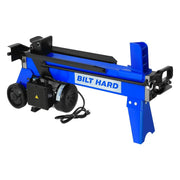
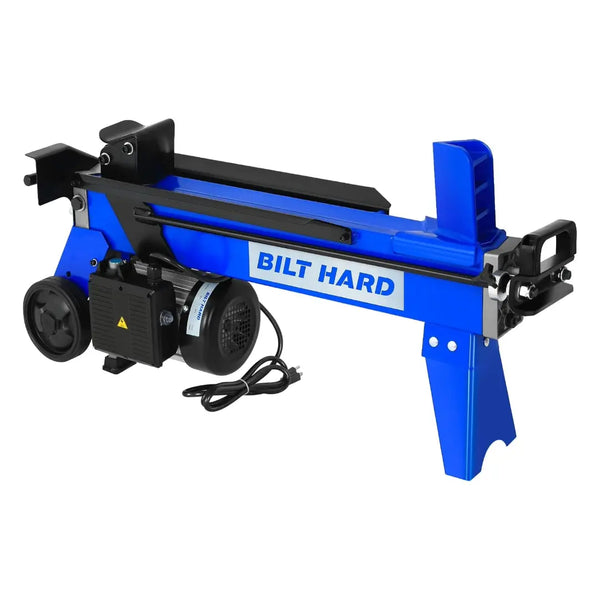
The straight sections are often manageable to split. Knots, branch unions, and twisted grain can still resist a hand tool. Silver maple usually does not require heavy equipment for occasional firewood preparation. The BILT HARD 6.5-Ton Electric Log Splitter uses a 120V, 15A motor and accepts logs up to 20.5 inches long and 9.8 inches in diameter. Its 6.5 tons of force can turn suitable silver maple rounds into smaller pieces that light easily.
Boxelder Suits Kindling and Mild Days
Boxelder belongs to the maple genus, though its firewood is lighter than sugar maple. Oklahoma State University lists about 17.9 million BTU per dry cord.
Use small, dry boxelder splits to establish a fire or produce quick warmth. It also suits outdoor fires and mild days when a long, high-output load is unnecessary. But a lower heat value means more volume is needed to match sugar maple.
Boxelder can decay when left wet or in contact with soil. Process sound wood promptly and raise the stack so the bottom row does not absorb ground moisture.
How Long Does Maple Firewood Take to Season?
Soft maple may reach usable moisture within one good drying season. Dense sugar maple often needs a longer period, especially when the pieces are large, or the climate is humid.
The time needed to season wood gives a planning range rather than a fixed deadline. Test the internal moisture before deciding that a stack is ready.
|
Maple type |
Initial planning range |
Conditions required |
|
Red or silver maple |
About 6 to 12 months |
Split early with open airflow |
|
Sugar maple |
About 12 to 18 months |
Moderate splits with extended drying |
|
Large dense rounds |
Often longer |
Must be split before reliable testing |
|
Any maple below 20 percent |
Ready if suitable for the appliance |
Test a fresh interior face |
Why 20% Moisture Matters More Than Time
A six-month-old split is not automatically dry. Starting moisture, local humidity, and rain exposure can leave the center above the target after the surface has changed color. Wet wood may hiss and struggle to maintain flame. It can also cool the combustion process, sending more unburned material into the exhaust.
How to Test Maple With a Moisture Meter
Select several logs from different parts of the stack. Testing only the driest piece near an exposed edge can give a misleading result.
Split each sample immediately before testing. Push the meter pins into the newly exposed interior face, following the meter manufacturer’s instructions. Check more than one point when the piece is thick. If several representative readings remain at or above 20 percent, return the batch to the drying stack.
End cracks and loose bark can support a visual assessment, but they do not measure the center. Record the date and readings if you want to track drying progress over several weeks.
How to Split and Stack Maple for Faster Drying
Whole maple rounds lose internal moisture slowly, especially at larger diameters. Splitting the wood early exposes more surface area and gives moisture a shorter path to the air. Aim for pieces that fit the appliance and remain reasonably uniform. Similar splits stack more securely and create consistent spaces for airflow.
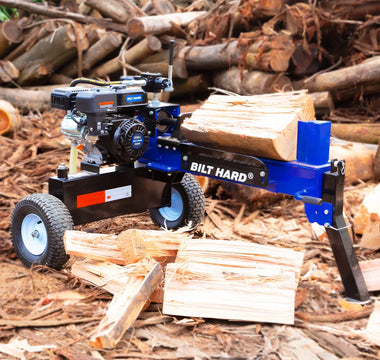
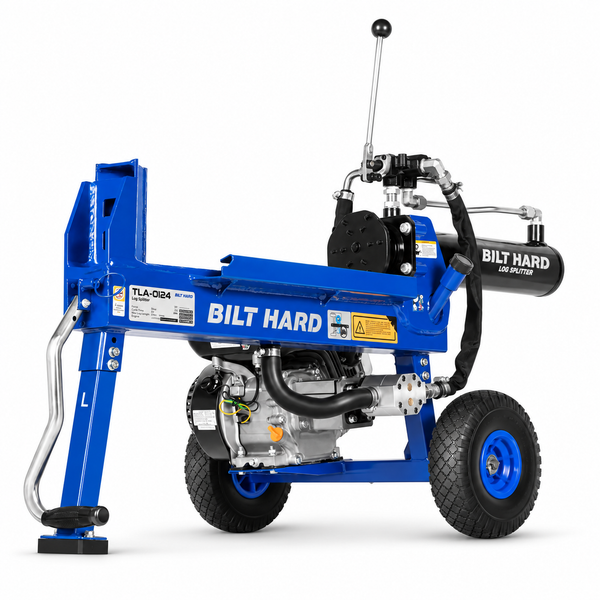
The BILT HARD LOG-X 18-Ton Gas Log Splitter has a 7 HP 209cc engine and accepts logs up to 20 inches long and 16 inches in diameter. It supports horizontal and vertical operation and has a 7.5-second cycle with automatic return. These features help process heavier maple rounds into uniform firewood that can be stacked with open air spaces.
Raise the first row on a rack or stable supports. Cover the top against rain while leaving the sides open, then place the stack where wind can pass through it. Avoid wrapping the entire pile with a tarp. Enclosed sides trap humid air around the wood and slow moisture removal.
FAQs
Does Maple Firewood Smell Like Maple Syrup?
No. Dry maple may produce a mild, slightly sweet wood smoke, but it does not normally smell like maple syrup. Aroma varies with species, moisture, and combustion quality.
Can Maple Firewood Be Used for Cooking?
Yes. Clean, untreated maple can provide cooking coals or smoking wood. Sugar maple is often preferred for a mild flavor.
How Can You Identify Maple Without Leaves?
Check opposite twigs and paired buds, then compare the bark and end grain. Bark alone can be unreliable because it changes with age.
Can Diseased Maple Trees Be Used as Firewood?
Sometimes. Sound, untreated wood can be burned locally after drying. Do not transport it because insects or pathogens may remain inside. Rotten, moldy, or chemically contaminated pieces should be excluded.
Should You Remove Maple Bark Before Burning?
Usually no. Bark can remain on sound, seasoned splits. Remove loose, wet, or dirty bark when it interferes with stacking or brings excess debris indoors.
Is Maple Firewood Easy to Split?
Often, but grain matters. Straight red or silver maple is usually manageable. Sugar maple requires more force, while knots, forks, and twisted grain can make any maple round difficult to split.
Conclusion
So, is maple good firewood? Yes. Sugar maple is best for strong winter heat, red maple handles regular household fires, and lighter maple species suit quicker burns.
Split the wood early and store it off the ground with open sides. Confirm less than 20 percent moisture on a freshly split face before burning. If you’re building a permanent storage area, concrete cement mixers can help prepare concrete for a level pad beneath an elevated firewood rack.
If a felled maple contains straight, sound logs, a portable sawmill can preserve selected sections as lumber. The remaining branches and unsuitable rounds can then be processed into firewood.