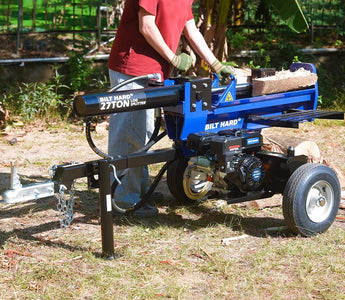
The common hydraulic oil types include AW32, AW46, Dexron III ATF, and Synthetic hydraulic oil. Use the hydraulic fluid grade named in your log splitter's manual; for many machines, that means AW32 for cooler starts or AW46 when the oil runs hotter. Use Dexron III automatic transmission fluid or synthetic hydraulic oil only when the manufacturer permits it. The wrong choice can produce slow cycles, noisy starts, and excess heat.
What Are the Common Hydraulic Oils for Log Splitters?
Most consumer splitters use anti-wear hydraulic oil in a manufacturer-selected ISO viscosity grade. ISO 3448 classifies industrial liquid lubricants by viscosity.
|
Fluid |
Kinematic viscosity at 40°C |
Common reason to choose it |
Main caution |
|
AW32 |
28.8 to 35.2 mm²/s |
Easier cold flow when the manual allows ISO VG 32 |
May become too thin for a model or duty cycle that requires VG 46 |
|
AW46 |
41.4 to 50.6 mm²/s |
Thicker oil film as operating temperature rises |
Can make cold starts sluggish if the model or climate calls for VG 32 |
|
Dexron III ATF |
Not an ISO VG 32 or 46 specification |
Approved by some manufacturers, often for cold conditions |
Use only when the exact manual lists it; do not assume compatibility |
|
Synthetic hydraulic oil |
Available in several ISO grades |
Wider operating-temperature performance in an approved grade |
“Synthetic” does not override the required viscosity or compatibility |
Note: Viscosity ranges are the ISO VG limits at 40°C reported by the Society of Tribologists and Lubrication Engineers. Data checked September 14, 2026.
AW32 Hydraulic Oil
AW32 is common in log splitters that specify ISO VG 32 anti-wear oil. Its lower viscosity reaches the pump inlet more readily during a cold start and can reduce delayed movement caused by overly thick oil. It suits the machine starts in cool weather or at moderate temperatures.
AW46 Hydraulic Oil
AW46 is thicker than AW32 at the same reference temperature. It preserves more viscosity after warm-up but increases resistance during a cold start. It suits manufacturer-approved splitters used in warm weather or through longer sessions that keep the hydraulic system hot.
Dexron III Automatic Transmission Fluid
Dexron III ATF suits only splitters whose manuals explicitly list it, most often for cold-weather service. Do not add ATF because the oil looks red. Dye, age, and contamination make color unreliable.
Synthetic Hydraulic Oil for Extreme Conditions
Synthetic hydraulic oil suits approved systems exposed to wide temperature swings, repeated cold starts, or long sessions that heat the fluid. Choose the correct ISO grade first. Confirm compatibility with the seals and remaining fluid.
How Do You Choose Hydraulic Oil for a Log Splitter?
Choosing well also means looking beyond the viscosity number printed on the pail. Please compare anti-wear performance, foam control, oxidation resistance, water separation, and supplier documentation. These properties help determine how consistently the fluid transfers power and remains serviceable through repeated splitting cycles.
Match the Oil Grade to Your Model
Splitters may have different reservoir capacities, pump requirements, and approved fluids. So start with the model-specific manual or current product specification.
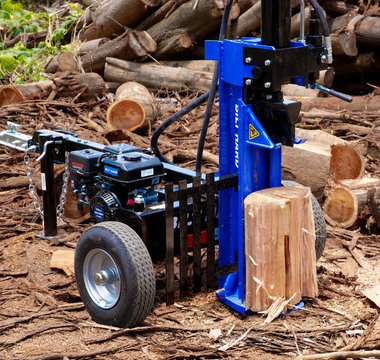
The BILT HARD LOG-X Series 22-Ton Gas Log Splitter accepts AW32, AW46, or Universal Hydraulic Oil and has an approximate hydraulic fill of 2.5 gallons. Its 14 GPM two-stage gear pump supports a listed 7-second cycle.
Those specifications apply to model TLA-0127, so owners of another BILT HARD splitter should check that model's own page or manual.

Check the Temperature You Usually Work In
AW32 generally flows more easily at a cool start, while AW46 retains more viscosity as the system gets hot. The pump and relief valve add heat during use.
Pour points and viscosity indexes vary among products in the same ISO grade. Compare the oil data sheet with the manufacturer's allowed operating range.
Know What Fluid Is Already in the Tank
Read the last service label or maintenance log before topping off. Drain unknown fluid instead of creating an unverified blend. Similar-viscosity fluids can use different base stocks and additives, so a normal-looking mixture may still lose key performance.
Is AW32 or AW46 Better for a Log Splitter?
Neither grade is better for every log splitter. AW32 is the better choice when the manufacturer approves it and cold-start flow matters. AW46 is better when it is approved, and the system needs higher viscosity at warmer operating temperatures.
AW32 Flows Better in Cold Weather
Cold oil resists flow. If it becomes too thick, the ram may hesitate, and the pump may sound strained until the fluid warms. AW32 starts with a lower viscosity than AW46, which is why many manufacturers select it for cooler conditions.
AW46 Stays Thicker as Oil Heats Up
Hydraulic oil thins as temperature rises. AW46 begins thicker, so it can remain within a useful viscosity range at a higher operating temperature where the manufacturer approves it. This does not mean it will fix overheating caused by low fluid, a dirty filter, a blocked cooler, or extended relief-valve operation.
How Do You Know if Hydraulic Oil Is Wrong?
No single symptom proves that the viscosity grade is incorrect. Stop the splitter and check the fluid level, temperature, leaks, filter condition, and service history before blaming the oil.
The Ram Moves Slower Than Normal
A slow ram during a cold start can indicate oil that is too thick. Slow movement at all temperatures may also come from a low reservoir, restricted filter, internal leakage, worn pump, or valve problem.
Compare extension and return with normal warm operation. Do not force a slow machine through hard logs because extra time at high pressure creates heat.
The Pump Sounds Loud on Startup
Whining or growling at startup can occur when cold, thick oil does not feed the pump readily. A low oil level or a suction-side air leak can sound similar.
Shut the machine down if noise is severe, new, or continues after the allowed warm-up period. Inspect clamps, suction hoses, and the cold fluid level. Keep hands away from pressure leaks, for a pinhole jet can puncture skin.
The Hydraulic System Gets Too Hot
Oil that is too thin for the operating conditions may reduce lubrication and increase internal leakage. Oil that is too thick can also waste energy as heat. Because either extreme can contribute, temperature alone does not identify which grade is wrong.
Stop if performance changes sharply or temperature exceeds the manual's limit. Check the oil level, filter, vents, hoses, and valve. Let a technician diagnose recurring heat.
Foamy Oil Can Mean Air in the System
Persistent foam can indicate an air leak, low oil, or an incorrect fill procedure. Some manuals say brief froth is normal, so follow the model's guidance and watch for slow or jerky motion.
After refilling and removing air from hydraulic lines, follow the manufacturer's cycling procedure and recheck the level.

FAQs
How Much Hydraulic Oil Does a Log Splitter Hold?
Capacity depends on the model. Small electric units may hold much less than large gas splitters. Check the manual's reservoir or system capacity.
What Color Should Hydraulic Oil Be?
Fresh mineral hydraulic oil is often clear to light amber, while many ATFs are red. Color varies by product. Milky, hazy, unusually dark, or sediment-filled oil deserves inspection and may indicate water, oxidation, or contamination.
Does Hydraulic Oil Go Bad While Stored?
Yes, storage conditions matter. Keep it sealed, dry, sheltered, and at normal ambient temperature. Many properly stored oils have a typical five-year shelf-life recommendation, but the container date is authoritative.
How Do You Add Hydraulic Oil to a Log Splitter?
Park level, retract the ram if instructed, stop the engine, release pressure, and let the oil cool. Clean around the cap, add the approved fluid to the specified level, reinstall the cap, cycle the ram, and recheck.
Can Old Hydraulic Oil Damage the Pump?
Yes. EPA says used oil can accumulate water, dirt, metal particles, and chemicals. These contaminants reduce performance.
Conclusion
The best hydraulic oil for a log splitter is the approved fluid that stays within the required viscosity range. Start with the manual, then use climate and duty cycle to choose among allowed grades. AW32 commonly supports easier cold starts, while AW46 stays thicker after warm-up.
Use Dexron III or synthetic oil only with verified compatibility. Keep a service record, avoid unknown mixtures, and stop to inspect for persistent noise, slow movement, heat, or foam. Clean fluid, the proper level, a sound filter, and air-free lines also protect performance.