










Filter and sort
30 products
Top Categories for You


FAQs
- Clean after use: Remove sawdust, bark, and debris from the blade area, track, and moving components.
- Check the blade: Inspect for dull teeth, cracks, or damage, and sharpen or replace it when needed.
- Inspect belts and bearings: Look for cracks, looseness, unusual noise, or excessive wear.
- Lubricate moving parts: Follow the manufacturer’s instructions for rails, bearings, and other lubrication points.
- Check blade tension and alignment: Proper tension and tracking help prevent uneven cuts and premature wear.
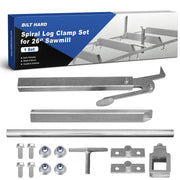
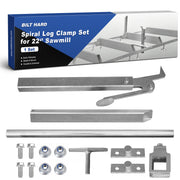
- Tighten hardware: Regularly inspect bolts, clamps, and other sawmill accessories to make sure nothing has loosened during operation.
- Replace worn parts early: Changing damaged belts, blades, guides, or bearings before failure can reduce downtime and prevent further damage.
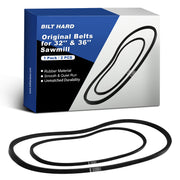
A sawmill belt may need replacing if it has cracks, frayed edges, glazing, excessive stretching, or frequent slipping. If proper tension can no longer be maintained, replacing the worn belt from the sawmill parts can help restore smoother blade operation.
Professional sawmill blade sharpening commonly costs about $10–$12 per blade, although pricing varies by blade size, condition, service provider, and shipping. If a blade is badly damaged or has been sharpened many times, replacing it with suitable sawmill accessories may be more practical than sharpening it again.
OEM parts are usually better for guaranteed fit and compatibility, while aftermarket sawmill parts can be a good choice if they match the specifications of your portable sawmill and come from a reliable supplier.
- OEM Parts: Better fit, consistent quality, easier compatibility. But usually more expensive and may have fewer options.
- Aftermarket Parts: Often cheaper, easier to find, and available in more choices. But quality, fit, and durability can vary by manufacturer
Blogs
How to Start a Fire in a Fireplace Safely and Keep Smoke Out
The safest way to start a fire in a fireplace is to open the damper, confirm an upward draft, and...
Firewood BTU Chart: Heat Output by Wood Type
Seasoned hickory, oak, and maple deliver more heat per cord than lighter woods such as pine, so the species you...
Can You Burn Pine in a Fireplace Safely?
Yes, you can burn pine in a fireplace safely when the wood is properly seasoned, the fire burns hot and...
How Much Firewood Do I Need for Winter?
Most households need 1 cord or less for occasional fires, 1 to 3 cords for supplemental heat, and 3 to...